SOLDES
Jusqu'à -70% sur une sélection d'articles*

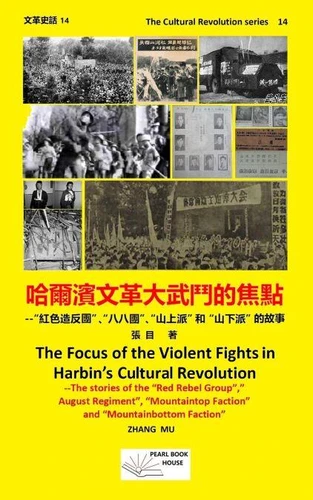
哈爾濱文革大武鬥的焦點 -The Focus of the Violent Struggle in Harbin’s Cultural Revolution. The Cultural Revolution Series, #14
Par :Formats :
Disponible dans votre compte client Decitre ou Furet du Nord dès validation de votre commande. Le format ePub est :
- Compatible avec une lecture sur My Vivlio (smartphone, tablette, ordinateur)
- Compatible avec une lecture sur liseuses Vivlio
- Pour les liseuses autres que Vivlio, vous devez utiliser le logiciel Adobe Digital Edition. Non compatible avec la lecture sur les liseuses Kindle, Remarkable et Sony
 , qui est-ce ?
Notre partenaire de plateforme de lecture numérique où vous retrouverez l'ensemble de vos ebooks gratuitement
Pour en savoir plus sur nos ebooks, consultez notre aide en ligne ici
C'est si simple ! Lisez votre ebook avec l'app Vivlio sur votre tablette, mobile ou ordinateur :

- FormatePub
- ISBN8227106360
- EAN9798227106360
- Date de parution31/10/2024
- Protection num.pas de protection
- Infos supplémentairesepub
- ÉditeurBig Dog Books, LLC
Résumé
1966?????,???????????????"?????"?"???"????;???????????????,???????????????????????????????(???)"?????"?????,????????"???"???????????,???????????????????????????,??????????????? "???"?"???"(????????????"???"?"???")? 1967?7??,???????????(??)??????????????"?????",??"????""??????"???,???????????"??????????"???,???????????????????,???"???"??????????????????????"???"?????,??????,????????????????,??????????????????????????????????????????????,???????????????,??????????"?????"??????????????????????After the second half of 1966, the mass movement during the Harbin Cultural Revolution focused on the struggle between the "Red Rebellion Group" and the "August 8 Regiment"; the background of the former was Mao Yuanxin, the nephew of Mao Zedong, and the background of the latter was Lin Xiaolin, Lin Biao's daughter.
Although soon Mao Yuanxin had nothing to do with the "Red Rebel Group" of the Harbin Military Engineering Institute (Harbin Military Industry), and soon Lin Xiaolin also had nothing to do with the "August 8 Regiment" of the Harbin Military Industry and disappeared from here, but in Harbin, the mutual power grab and violent struggle between these two factions of mass rebel organizations became more and more increasingly fierce, and the names of these two factions evolved into "Bombardment faction" and "Defending joint headquarters" respectively, (the common people called these two factions "mountaintop faction" and "mountain-foot faction" respectively.
After July 1967, Mao Zedong wanted to support the radical rebels (leftists) to complete the seizure of power and establish the new regime "revolutionary committee" across the country as soon as possible, issued the "highest instruction" to "arm the leftists" and "send guns to the rebels". The people of the two factions, both sides claim they are " leftists" and both to be "defend the chairman Mao's revolutionary line".
The two factions are from the army or the local armed forces department got the weapons, The "cold weapon" war between the two factions escalated into a large-scale civil war with "hot weapon" using guns, ammunition, tanks and armored vehicles. The casualties on both sides were heavy and the victims were uncounted. During these violent struggles, Mao Yuanxin and Pan Fusheng, director of the Revolutionary Committee of Heilongjiang Province, both bore certain responsibilities.
This book mainly uses the photos, newspapers, leaflets and other materials of that year to reproduce the history of the Cultural Revolution in Harbin, especially the struggle between the so-called Red Guards and the mass organizations of "revolutionary rebels" and the scenes of large-scale bloodshed and armed struggle.
Although soon Mao Yuanxin had nothing to do with the "Red Rebel Group" of the Harbin Military Engineering Institute (Harbin Military Industry), and soon Lin Xiaolin also had nothing to do with the "August 8 Regiment" of the Harbin Military Industry and disappeared from here, but in Harbin, the mutual power grab and violent struggle between these two factions of mass rebel organizations became more and more increasingly fierce, and the names of these two factions evolved into "Bombardment faction" and "Defending joint headquarters" respectively, (the common people called these two factions "mountaintop faction" and "mountain-foot faction" respectively.
After July 1967, Mao Zedong wanted to support the radical rebels (leftists) to complete the seizure of power and establish the new regime "revolutionary committee" across the country as soon as possible, issued the "highest instruction" to "arm the leftists" and "send guns to the rebels". The people of the two factions, both sides claim they are " leftists" and both to be "defend the chairman Mao's revolutionary line".
The two factions are from the army or the local armed forces department got the weapons, The "cold weapon" war between the two factions escalated into a large-scale civil war with "hot weapon" using guns, ammunition, tanks and armored vehicles. The casualties on both sides were heavy and the victims were uncounted. During these violent struggles, Mao Yuanxin and Pan Fusheng, director of the Revolutionary Committee of Heilongjiang Province, both bore certain responsibilities.
This book mainly uses the photos, newspapers, leaflets and other materials of that year to reproduce the history of the Cultural Revolution in Harbin, especially the struggle between the so-called Red Guards and the mass organizations of "revolutionary rebels" and the scenes of large-scale bloodshed and armed struggle.