Dernière sortie
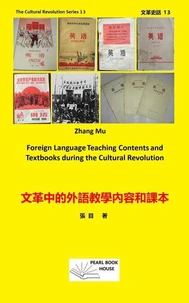
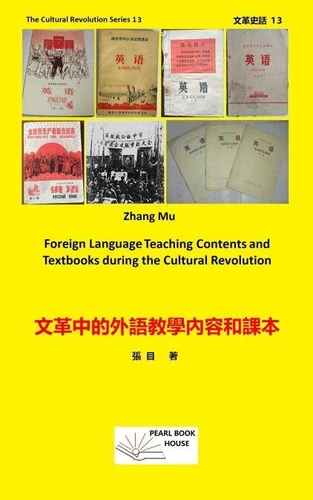
Foreign Language Teaching Contents and Textbooks in the Cultural revolution, 文革中的外語教學內容和課本
The 10-year Cultural Revolution from 1966 to 1976 was a catastrophe for China's politics, economy, and culture. Education, especially foreign language education, was the "severe disaster area" of this disaster. The authorities preached that "foreign language teaching should serve the current class struggle" and hyped up "I am Chinese, why should I learn foreign languages. If I don't study ABCD, I can still be a successor to take over the revolutionary, and bury imperialism, revisionists and reactionaries." Some foreign language enthusiasts were convicted of "eavesdropping on enemy radio stations" and "counter-revolutionaries" because they were exposed to foreign broadcasts. There have even been so-called "open doors education" by teachers and students of foreign language majors in colleges and universities, criticizing LinBiao and Confucius in English, criticizing capitalists, landlords, rich peasants, and other farce in English, and unscrupulously implement education of foolish people and enslavement. After Mao Zedong's death in 1976 and "smashing the Gang of Four", China made a comprehensive rectification in the fields of politics, economy, education and culture, and earth shaking changes have taken place in people's living standards."Reviewing the past and knowing the new", reviewing and reflecting on the various perverse practices during the Cultural Revolution, will help us understand the "difficulties to rejuvenate a country", and will help us sum up our experience and move forward. Based on the foreign language teaching materials and relevant pictures during the Cultural Revolution, this book reproduces the absurdity of foreign language teaching in primary and secondary schools during the Cultural Revolution and the true face of the so-called "educational revolution" in the Cultural Revolution.