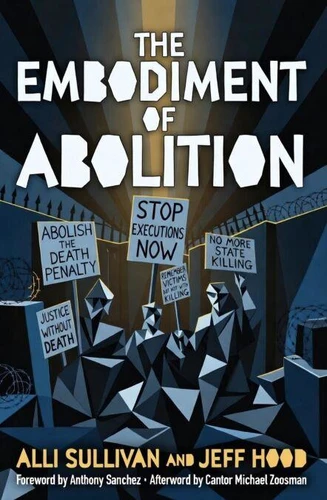
The Embodiment of Abolition
Par : ,Formats :
Disponible dans votre compte client Decitre ou Furet du Nord dès validation de votre commande. Le format ePub est :
- Compatible avec une lecture sur My Vivlio (smartphone, tablette, ordinateur)
- Compatible avec une lecture sur liseuses Vivlio
- Pour les liseuses autres que Vivlio, vous devez utiliser le logiciel Adobe Digital Edition. Non compatible avec la lecture sur les liseuses Kindle, Remarkable et Sony
 , qui est-ce ?
Notre partenaire de plateforme de lecture numérique où vous retrouverez l'ensemble de vos ebooks gratuitement
Pour en savoir plus sur nos ebooks, consultez notre aide en ligne ici
C'est si simple ! Lisez votre ebook avec l'app Vivlio sur votre tablette, mobile ou ordinateur :

- FormatePub
- ISBN8233613159
- EAN9798233613159
- Date de parution15/04/2026
- Protection num.pas de protection
- Infos supplémentairesepub
- ÉditeurLinda Balsamo
Résumé
What does it cost to stand beside the condemned?In The Embodiment of Abolition, death penalty abolitionists Jeff Hood and Alli Sullivan offer an unflinching account of life on the front lines of the fight against state killing. This is not a book of statistics or detached policy arguments. It is a raw, embodied testimony from two activists who have written the letters, made the visits, walked the final miles, and witnessed friends strapped to gurneys and killed by the state.
Structured around the visceral realities of this work-Humanity, The Fight, Rage, Grief, Truth, Alone, Success-Hood and Sullivan move between memoir, theology, and moral philosophy to confront what executions do to the condemned, to their families, to the witnesses, and to the soul of a nation. They draw on the searing case of Anthony Sanchez, who wrote the foreword days before Oklahoma executed him, and Arthur Brown Jr., whose final words still echo through these pages.
Here, abolition is not an abstraction. It is presence. It is rage that refuses to burn out. It is grief that refuses to be silenced. It is the radical insistence that the monster we name in others is the monster we refuse to name in ourselves.
Structured around the visceral realities of this work-Humanity, The Fight, Rage, Grief, Truth, Alone, Success-Hood and Sullivan move between memoir, theology, and moral philosophy to confront what executions do to the condemned, to their families, to the witnesses, and to the soul of a nation. They draw on the searing case of Anthony Sanchez, who wrote the foreword days before Oklahoma executed him, and Arthur Brown Jr., whose final words still echo through these pages.
Here, abolition is not an abstraction. It is presence. It is rage that refuses to burn out. It is grief that refuses to be silenced. It is the radical insistence that the monster we name in others is the monster we refuse to name in ourselves.