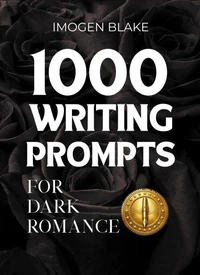
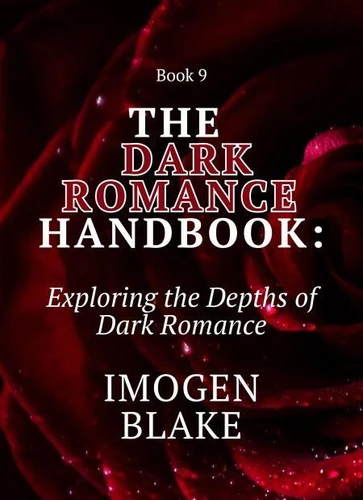
Too many "dark" drafts go intense but not credible-power tilts without logic, consent evaporates instead of complicates, trauma vanishes between scenes, and rooms forget rules, clocks, and witnesses. "The Dark Romance Handbook: Exploring the Depths of Dark Romance" gives you a blueprint to write darkness readers trust: keep consent audible, map power and price, stage obsession with consequence, and let world rules carry the heat. Power & Consent: Adults only; layered consent made legible in POV; unequal power charted by scene; coercion with aftermath; games agreed, not assumed.
Obsession & Possession: Devotion framed as danger; possession volatile and reversible; isolation and secrecy that obey doors, staff, cameras, and law. Trauma & Cost: Triggers as behavior, not labels; aftercare that lands (tender/silent/strategic); codes, jealousy, and revenge that carry price forward; damage sustained, not erased. Pacing & Voice: Crisis beats over meet-cute milestones; flood/retreat rhythm; subtext-first dialogue; interiority that observes instead of excuses.
Setting & Continuity: Rooms with jurisdiction; posted rules, access, clocks, thresholds; culture/faith/family/tech kept consistent; precise warnings, research, and a clean final pass. If your pages risk unsafe-feeling heat, villainy without shape, or worlds that bend only when convenient, this handbook supplies scene-ready passes and checklists. Build a consent-centric, high-voltage novel readers believe-and follow into the dark.
Too many "dark" drafts go intense but not credible-power tilts without logic, consent evaporates instead of complicates, trauma vanishes between scenes, and rooms forget rules, clocks, and witnesses. "The Dark Romance Handbook: Exploring the Depths of Dark Romance" gives you a blueprint to write darkness readers trust: keep consent audible, map power and price, stage obsession with consequence, and let world rules carry the heat. Power & Consent: Adults only; layered consent made legible in POV; unequal power charted by scene; coercion with aftermath; games agreed, not assumed.
Obsession & Possession: Devotion framed as danger; possession volatile and reversible; isolation and secrecy that obey doors, staff, cameras, and law. Trauma & Cost: Triggers as behavior, not labels; aftercare that lands (tender/silent/strategic); codes, jealousy, and revenge that carry price forward; damage sustained, not erased. Pacing & Voice: Crisis beats over meet-cute milestones; flood/retreat rhythm; subtext-first dialogue; interiority that observes instead of excuses.
Setting & Continuity: Rooms with jurisdiction; posted rules, access, clocks, thresholds; culture/faith/family/tech kept consistent; precise warnings, research, and a clean final pass. If your pages risk unsafe-feeling heat, villainy without shape, or worlds that bend only when convenient, this handbook supplies scene-ready passes and checklists. Build a consent-centric, high-voltage novel readers believe-and follow into the dark.


 , qui est-ce ?