
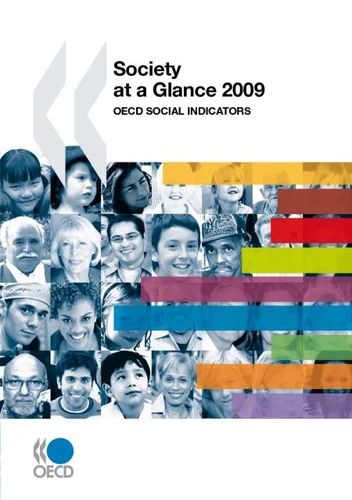
Society at a glance 2009
Par :Formats :
Disponible dans votre compte client Decitre ou Furet du Nord dès validation de votre commande. Le format Multi-format est :
- Pour les liseuses autres que Vivlio, vous devez utiliser le logiciel Adobe Digital Edition. Non compatible avec la lecture sur les liseuses Kindle, Remarkable et Sony
 , qui est-ce ?
Notre partenaire de plateforme de lecture numérique où vous retrouverez l'ensemble de vos ebooks gratuitement
Pour en savoir plus sur nos ebooks, consultez notre aide en ligne ici
C'est si simple ! Lisez votre ebook avec l'app Vivlio sur votre tablette, mobile ou ordinateur :

- Nombre de pages132
- FormatMulti-format
- ISBN978-92-64-05687-9
- EAN9789264056879
- Date de parution04/05/2009
- Protection num.pas de protection
- Infos supplémentairesMulti-Format
- ÉditeurOCDE
Résumé
Society at a Glance offers a concise quantitative overview of social trends and policies across the OECD. This 2009 edition includes a wide range of information on social issues - such as demography and family characteristics, employment and unemployment, poverty and inequality, social and health care expenditure, and work and life satisfaction -as well as a guide to help readers understand the structure of OECD social indicators.
In addition to updating some of the indicators from previous editions, Society at a Glance 2009 adds several new and innovative social indicators, including adult height, perceived health status, risky youth behaviour and bullying. For the first time, the report also provides a condensed set of headline social indicators summarising social well-being in OECD countries. In addition, a special chapter examines leisure time across the OECD.
In addition to updating some of the indicators from previous editions, Society at a Glance 2009 adds several new and innovative social indicators, including adult height, perceived health status, risky youth behaviour and bullying. For the first time, the report also provides a condensed set of headline social indicators summarising social well-being in OECD countries. In addition, a special chapter examines leisure time across the OECD.
A propos de OCDE


32,99 €

72,99 €

33,99 €

32,99 €
32,99 €

32,00 €

25,00 €

Tax compilance by design
E-book
16,00 €

16,00 €

19,00 €

16,00 €


23,00 €

Women in business 2014
E-book
31,00 €



27,00 €