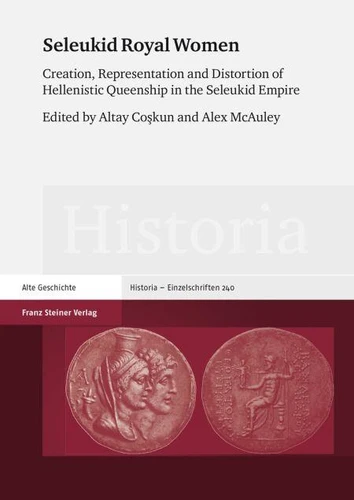
The study of royal women has been one of the most dynamic fields of inquiry into the Hellenistic world (ca. 336-30 BC) and has dramatically shifted our perceptions of gender, status, and influence in the ancient world. Amid numerous works on the Ptolemies, Antigonids, and Argeads, this volume is the first to examine the roles and representations of the women of the Seleukid dynasty and its clients.
These royal women were born or married into a dynasty that ruled an empire spanning dozens of cultures and languages, encompassing territory from western Asia Minor to modern-day Afghanistan. As representatives of their family's prestige, they were highly influential in shaping the culture and legacy of this Empire that spanned East and West.
The contributions of this volume offer a systematic scrutiny of the representation of female Seleukids in visual and textual media.
Avoiding Eurocentric perspectives in favour of embracing the diversity of the Empire, these scholars examine the interaction of Seleukid women with royal traditions ranging from Persia, Bactria, and Judaea to their Hellenistic contemporaries. The result is a landmark achievement in the study of ancient women.
The study of royal women has been one of the most dynamic fields of inquiry into the Hellenistic world (ca. 336-30 BC) and has dramatically shifted our perceptions of gender, status, and influence in the ancient world. Amid numerous works on the Ptolemies, Antigonids, and Argeads, this volume is the first to examine the roles and representations of the women of the Seleukid dynasty and its clients.
These royal women were born or married into a dynasty that ruled an empire spanning dozens of cultures and languages, encompassing territory from western Asia Minor to modern-day Afghanistan. As representatives of their family's prestige, they were highly influential in shaping the culture and legacy of this Empire that spanned East and West.
The contributions of this volume offer a systematic scrutiny of the representation of female Seleukids in visual and textual media.
Avoiding Eurocentric perspectives in favour of embracing the diversity of the Empire, these scholars examine the interaction of Seleukid women with royal traditions ranging from Persia, Bactria, and Judaea to their Hellenistic contemporaries. The result is a landmark achievement in the study of ancient women.