Altay Coskun is Professor of Classical Studies at the University of Waterloo, Ontario. He joined the department in 2009, after gaining his PhD (1999) and Habilitation (2007) at Trier University and holding research positions at Oxford, Trier and Exeter. His interests range from Ancient Anatolia over the Greek poleis, Hellenistic kingdoms, Roman diplomacy and citizenship to the Late Roman state.
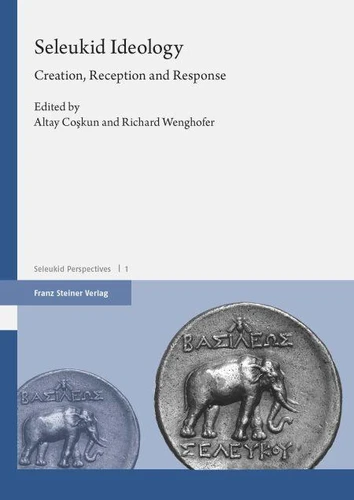
Seleukid Ideology. Creation, Reception and Response
Par : ,Formats :
Disponible dans votre compte client Decitre ou Furet du Nord dès validation de votre commande. Le format PDF est :
- Compatible avec une lecture sur My Vivlio (smartphone, tablette, ordinateur)
- Compatible avec une lecture sur liseuses Vivlio
- Pour les liseuses autres que Vivlio, vous devez utiliser le logiciel Adobe Digital Edition. Non compatible avec la lecture sur les liseuses Kindle, Remarkable et Sony
 , qui est-ce ?
Notre partenaire de plateforme de lecture numérique où vous retrouverez l'ensemble de vos ebooks gratuitement
Pour en savoir plus sur nos ebooks, consultez notre aide en ligne ici
C'est si simple ! Lisez votre ebook avec l'app Vivlio sur votre tablette, mobile ou ordinateur :

- Nombre de pages390
- FormatPDF
- ISBN978-3-515-13479-8
- EAN9783515134798
- Date de parution14/06/2023
- Protection num.Digital Watermarking
- Taille17 Mo
- Infos supplémentairespdf
- ÉditeurFranz Steiner
Résumé
Seleukid Perspectives explore the largest successor kingdom to Alexander the Great's empire. Seleukid kings established their power on the battlefield but did not rely on coercion alone. They constructed an ideal of kingship to render their authority morally and religiously acceptable. For this, they considered the traditions and sensitivities of their soldiers, subjects, and neighbours, while facing the pretensions of their rivals.
What was beneficial or tolerable varied dramatically from one polity to the next. This e-book examines local influence on and reactions to Seleukid claims by focusing on rituals, discourse, and creative moments in which ideological themes were shaped. Seleukos I (320-281 BCE) closely engaged with the imagery of Alexander and Macedonian rivals, borrowed from Near Eastern traditions, and courted sanctuaries of Apollo.
Case studies for his descendants are drawn from Anatolia, Syria, Judaea, Babylonia, and Persia. Praise of the dynasty was more than flattery but part of a process in which subjects actively contributed to perpetuating, modifying, or undermining the royal image. The volume encourages new debates on the complexity and efficacy of Seleukid Ideology.
What was beneficial or tolerable varied dramatically from one polity to the next. This e-book examines local influence on and reactions to Seleukid claims by focusing on rituals, discourse, and creative moments in which ideological themes were shaped. Seleukos I (320-281 BCE) closely engaged with the imagery of Alexander and Macedonian rivals, borrowed from Near Eastern traditions, and courted sanctuaries of Apollo.
Case studies for his descendants are drawn from Anatolia, Syria, Judaea, Babylonia, and Persia. Praise of the dynasty was more than flattery but part of a process in which subjects actively contributed to perpetuating, modifying, or undermining the royal image. The volume encourages new debates on the complexity and efficacy of Seleukid Ideology.