SOLDES
Jusqu'à -70% sur une sélection d'articles*


Nouveauté
Out of Your Head - How Walking Unlocks The Thinking Your Desk Can't
Par :Formats :
Disponible dans votre compte client Decitre ou Furet du Nord dès validation de votre commande. Le format ePub est :
- Compatible avec une lecture sur My Vivlio (smartphone, tablette, ordinateur)
- Compatible avec une lecture sur liseuses Vivlio
- Pour les liseuses autres que Vivlio, vous devez utiliser le logiciel Adobe Digital Edition. Non compatible avec la lecture sur les liseuses Kindle, Remarkable et Sony
 , qui est-ce ?
Notre partenaire de plateforme de lecture numérique où vous retrouverez l'ensemble de vos ebooks gratuitement
Pour en savoir plus sur nos ebooks, consultez notre aide en ligne ici
C'est si simple ! Lisez votre ebook avec l'app Vivlio sur votre tablette, mobile ou ordinateur :

- FormatePub
- ISBN8235972285
- EAN9798235972285
- Date de parution14/07/2026
- Protection num.pas de protection
- Infos supplémentairesepub
- ÉditeurIoakim Ioakim
Résumé
Everyone says they do their best thinking on a walk. Almost no one can tell you why it works, when it stops working, or what to do when walking itself isn't an option. Out of Your Head fixes that. Drawing on the Stanford research that first measured it, this book makes a precise case: walking gives a real, repeatable boost to creative, associative thinking - and almost no boost at all to focused decision-making.
Knowing the difference changes everything about how you use it. Inside, you'll learn to tell your four kinds of walks apart and match each to the thinking it's actually good for; why "getting a little lost" beats both a blank hallway and total novelty; when a walking meeting helps a conversation and when it quietly wastes it; how to catch and hold onto an idea before it dissolves three blocks from home; and how to adapt the whole practice when your body, your weather, or your week won't cooperate with a picture-perfect stroll.
This isn't another book insisting a walk will fix everything. It's a clear-eyed guide to what walking is actually for - and a practical way to start using it on purpose, starting with your next walk out the door.
Knowing the difference changes everything about how you use it. Inside, you'll learn to tell your four kinds of walks apart and match each to the thinking it's actually good for; why "getting a little lost" beats both a blank hallway and total novelty; when a walking meeting helps a conversation and when it quietly wastes it; how to catch and hold onto an idea before it dissolves three blocks from home; and how to adapt the whole practice when your body, your weather, or your week won't cooperate with a picture-perfect stroll.
This isn't another book insisting a walk will fix everything. It's a clear-eyed guide to what walking is actually for - and a practical way to start using it on purpose, starting with your next walk out the door.
A propos de Patricia Rafi
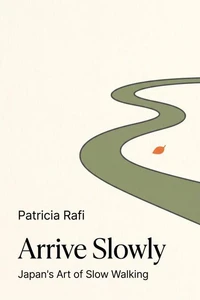
2,99 €

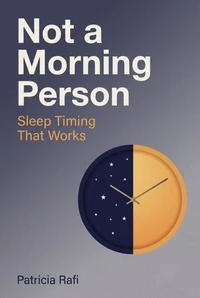
3,49 €