Sofia Lane is a nonfiction author known for writing thoughtful books on emotional resilience, self-growth, modern relationships, and finding meaning in everyday life. Her calm and reflective writing style combines psychology, philosophy, and practical insight to help readers navigate life with greater clarity, balance, and self-awareness.
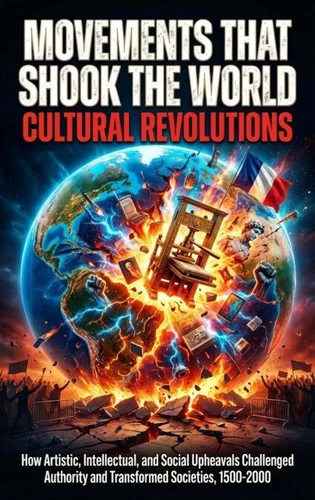
Movements That Shook the World: Cultural Revolutions. How Artistic, Intellectual, and Social Upheavals Challenged Authority and Transformed Societies, 1500-2000
Par :Formats :
Disponible dans votre compte client Decitre ou Furet du Nord dès validation de votre commande. Le format ePub est :
- Compatible avec une lecture sur My Vivlio (smartphone, tablette, ordinateur)
- Compatible avec une lecture sur liseuses Vivlio
- Pour les liseuses autres que Vivlio, vous devez utiliser le logiciel Adobe Digital Edition. Non compatible avec la lecture sur les liseuses Kindle, Remarkable et Sony
 , qui est-ce ?
Notre partenaire de plateforme de lecture numérique où vous retrouverez l'ensemble de vos ebooks gratuitement
Pour en savoir plus sur nos ebooks, consultez notre aide en ligne ici
C'est si simple ! Lisez votre ebook avec l'app Vivlio sur votre tablette, mobile ou ordinateur :

- Nombre de pages196
- FormatePub
- ISBN978-3-565-24933-6
- EAN9783565249336
- Date de parution15/02/2026
- Protection num.pas de protection
- Taille2 Mo
- Infos supplémentairesepub
- ÉditeurEmphaloz Publishing House
Résumé
Cultural revolutions disrupt established norms, challenge power structures, and create new possibilities for expression and social organization. This comprehensive analysis examines major cultural movements that fundamentally altered how societies understood art, knowledge, identity, and authority-from the Reformation and Enlightenment through Romanticism and Modernism to counterculture and postcolonial movements.
Drawing on manifestos, artistic works, philosophical texts, and contemporary accounts, this book reveals how cultural movements emerged from specific historical crises, how they mobilized supporters across class and national boundaries, and how they challenged existing institutions.
It explores the relationship between cultural production and political change, how movements spread through networks of artists and intellectuals, and how authorities responded with suppression or co-optation. The narrative examines who participated in cultural revolutions beyond elite figures, how movements fragmented over ideology and strategy, and how revolutionary ideas became mainstream or faded into obscurity.
It analyzes the role of new technologies in spreading cultural challenges, how economic conditions enabled or constrained cultural experimentation, and what revolutions achieved versus what they promised. Without romanticizing rebellion, this work provides rigorous analysis of how cultural movements reshape consciousness and institutions across generations.
It explores the relationship between cultural production and political change, how movements spread through networks of artists and intellectuals, and how authorities responded with suppression or co-optation. The narrative examines who participated in cultural revolutions beyond elite figures, how movements fragmented over ideology and strategy, and how revolutionary ideas became mainstream or faded into obscurity.
It analyzes the role of new technologies in spreading cultural challenges, how economic conditions enabled or constrained cultural experimentation, and what revolutions achieved versus what they promised. Without romanticizing rebellion, this work provides rigorous analysis of how cultural movements reshape consciousness and institutions across generations.
A propos de Sofia Lane

4,49 €