
Nouveauté
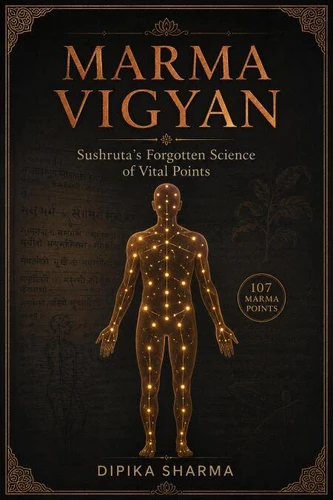
Marma Vigyan: Sushruta’s Forgotten Science of Vital Points
Par :Formats :
Disponible dans votre compte client Decitre ou Furet du Nord dès validation de votre commande. Le format ePub est :
- Compatible avec une lecture sur My Vivlio (smartphone, tablette, ordinateur)
- Compatible avec une lecture sur liseuses Vivlio
- Pour les liseuses autres que Vivlio, vous devez utiliser le logiciel Adobe Digital Edition. Non compatible avec la lecture sur les liseuses Kindle, Remarkable et Sony
 , qui est-ce ?
Notre partenaire de plateforme de lecture numérique où vous retrouverez l'ensemble de vos ebooks gratuitement
Pour en savoir plus sur nos ebooks, consultez notre aide en ligne ici
C'est si simple ! Lisez votre ebook avec l'app Vivlio sur votre tablette, mobile ou ordinateur :

- FormatePub
- ISBN8235888494
- EAN9798235888494
- Date de parution18/07/2026
- Protection num.pas de protection
- Infos supplémentairesepub
- ÉditeurIoakim Ioakim
Résumé
For thousands of years before modern imaging technology existed, ancient Indian physicians had already mapped the human body with astonishing precision, identifying one hundred and seven points where life itself was believed to concentrate. This is the world of Marma Vigyan, the science of vital points first described in extraordinary detail in the Sushruta Samhita, the ancient treatise that also established Sushruta as one of history's earliest and most methodical surgeons.
In this carefully researched and warmly written book, Dipika Sharma brings this nearly forgotten science back into the light. Drawing directly on the Sharira Sthana section of the Sushruta Samhita and cross referencing respected classical translations and commentaries, this book offers readers a complete and accessible journey through the theory, structure, and living application of marma knowledge.
The book opens with the historical world of Sushruta himself, exploring the intellectual and medical culture that produced such a rigorous system of anatomical classification. From there, readers are guided through Sushruta's own scientific method, a discipline built on careful observation, dissection, and clinical caution, long before such practices were common anywhere else in the ancient world.
At the heart of the book lies a detailed and clearly explained map of the one hundred and seven marma points, organized both by the anatomical structures they involve and by the severity of harm their injury was believed to cause, a classification system that reads, in many ways, like an ancient form of medical triage. From this foundation, the book travels across the entire body, region by region, before turning to the surgical wisdom that made avoiding these vital points a matter of professional discipline for physicians of the time.
Later chapters explore the more philosophical dimensions of marma, including its connection to Prana, the vital life force described throughout Ayurvedic thought, before grounding the discussion again in the therapeutic applications of marma touch, comparing this ancient practice with contemporary approaches such as acupressure and reflexology. One of the book's most valuable contributions is its honest, balanced engagement with modern science.
Rather than presenting ancient claims uncritically or dismissing them outright, the author carefully explores where classical marma points align with known nerve pathways, blood vessels, and joint structures, and where scholarship still has work to do. This evidence-aware approach makes the book equally valuable to students of Ayurveda, healthcare professionals interested in the history of anatomical knowledge, and general readers with a genuine curiosity about the body's deeper design.
Written in an engaging, accessible style that avoids both dry academic language and unfounded mysticism, this book invites readers into a thoughtful conversation about a subject that deserves far more attention than it currently receives. By the final chapter, readers are equipped with practical, responsible guidance on how the wisdom of marma vigyan can inform a mindful approach to modern wellbeing, always with appropriate respect for the expertise required in any therapeutic application.
In this carefully researched and warmly written book, Dipika Sharma brings this nearly forgotten science back into the light. Drawing directly on the Sharira Sthana section of the Sushruta Samhita and cross referencing respected classical translations and commentaries, this book offers readers a complete and accessible journey through the theory, structure, and living application of marma knowledge.
The book opens with the historical world of Sushruta himself, exploring the intellectual and medical culture that produced such a rigorous system of anatomical classification. From there, readers are guided through Sushruta's own scientific method, a discipline built on careful observation, dissection, and clinical caution, long before such practices were common anywhere else in the ancient world.
At the heart of the book lies a detailed and clearly explained map of the one hundred and seven marma points, organized both by the anatomical structures they involve and by the severity of harm their injury was believed to cause, a classification system that reads, in many ways, like an ancient form of medical triage. From this foundation, the book travels across the entire body, region by region, before turning to the surgical wisdom that made avoiding these vital points a matter of professional discipline for physicians of the time.
Later chapters explore the more philosophical dimensions of marma, including its connection to Prana, the vital life force described throughout Ayurvedic thought, before grounding the discussion again in the therapeutic applications of marma touch, comparing this ancient practice with contemporary approaches such as acupressure and reflexology. One of the book's most valuable contributions is its honest, balanced engagement with modern science.
Rather than presenting ancient claims uncritically or dismissing them outright, the author carefully explores where classical marma points align with known nerve pathways, blood vessels, and joint structures, and where scholarship still has work to do. This evidence-aware approach makes the book equally valuable to students of Ayurveda, healthcare professionals interested in the history of anatomical knowledge, and general readers with a genuine curiosity about the body's deeper design.
Written in an engaging, accessible style that avoids both dry academic language and unfounded mysticism, this book invites readers into a thoughtful conversation about a subject that deserves far more attention than it currently receives. By the final chapter, readers are equipped with practical, responsible guidance on how the wisdom of marma vigyan can inform a mindful approach to modern wellbeing, always with appropriate respect for the expertise required in any therapeutic application.
A propos de DIPIKA SHARMA


15,99 €
Voice of the Veda
E-book
17,49 €

The Ghata Revealed
E-book
15,49 €
Song Before Time
E-book
17,49 €

The Ecology of Ayurveda
E-book
18,49 €
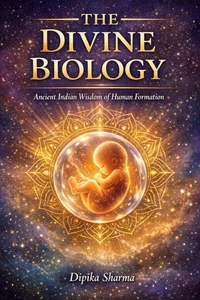
The Divine Biology
E-book
8,49 €

14,99 €

14,99 €


17,49 €

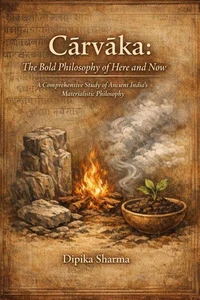
17,49 €

17,49 €

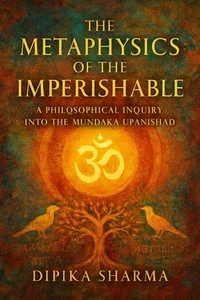
17,49 €

17,49 €
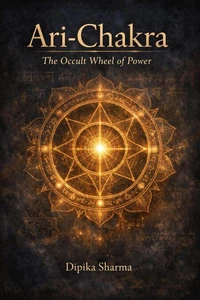
17,49 €