
Nouveauté
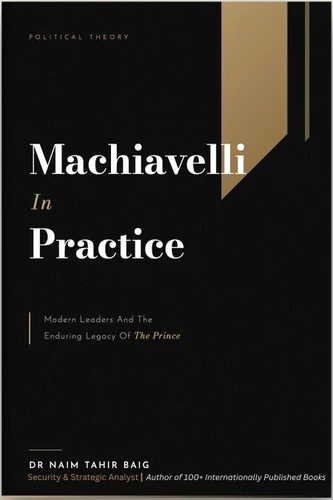
Machiavelli in Practice: Modern Leaders and the Enduring Legacy of The Prince
Par :Formats :
Disponible dans votre compte client Decitre ou Furet du Nord dès validation de votre commande. Le format ePub est :
- Compatible avec une lecture sur My Vivlio (smartphone, tablette, ordinateur)
- Compatible avec une lecture sur liseuses Vivlio
- Pour les liseuses autres que Vivlio, vous devez utiliser le logiciel Adobe Digital Edition. Non compatible avec la lecture sur les liseuses Kindle, Remarkable et Sony
 , qui est-ce ?
Notre partenaire de plateforme de lecture numérique où vous retrouverez l'ensemble de vos ebooks gratuitement
Pour en savoir plus sur nos ebooks, consultez notre aide en ligne ici
C'est si simple ! Lisez votre ebook avec l'app Vivlio sur votre tablette, mobile ou ordinateur :

- FormatePub
- ISBN8232688479
- EAN9798232688479
- Date de parution03/12/2025
- Protection num.pas de protection
- Infos supplémentairesepub
- ÉditeurDraft2Digital
Résumé
BOOK DESCRIPTIONMachiavelli in Practice: Modern Leaders and the Enduring Legacy of The PrinceFive centuries after Niccolò Machiavelli penned The Prince, his insights into power, statecraft, and political survival remain disturbingly relevant. Written in 1513 but not published until 1532, this slender treatise divorced politics from ethics for the first time in Western thought, establishing what many scholars consider the foundation of modern political science.
Yet while Machiavelli's name has become synonymous with cunning manipulation and amoral pragmatism, few have systematically examined how his principles manifest in contemporary leadership-from the corridors of the Kremlin to Silicon Valley boardrooms. Machiavelli in Practice offers the first comprehensive analysis of Machiavellian leadership in the twenty-first century, examining how authoritarian rulers, democratic politicians, and corporate executives employ strategies remarkably consistent with the Renaissance philosopher's prescriptions.
Drawing on extensive research and verifiable historical accounts, Dr. Naim Tahir Baig traces the application of core Machiavellian concepts-virtù (political skill), fortuna(fortune and timing), the balance between fear and love, and the strategic use of force and cunning-across diverse political and cultural contexts. The book systematically analyzes contemporary figures including Vladimir Putin, whose consolidation of power and information warfare exemplify modern princely statecraft; Xi Jinping, whose anti-corruption campaign mirrors Machiavelli's advice on eliminating rivals; Angela Merkel, whose patient accumulation of influence demonstrates that Machiavellian tactics need not be overtly aggressive; and Narendra Modi, whose media mastery and narrative control reveal how ancient principles adapt to digital age politics.
Beyond the political realm, the analysis extends to corporate leadership, examining how figures like Steve Jobs, Elon Musk, and Jeff Bezos have applied Machiavellian logic to business empire-building, raising profound questions about the relationship between corporate amorality and political pragmatism. What distinguishes this work is its balanced approach. Rather than celebrating or condemning Machiavelli, Dr.
Baig examines his ideas as analytical tools for understanding how power actually operates, independent of how we might wish it to function. The book acknowledges both the descriptive accuracy of Machiavellian analysis-his observations about human nature, political survival, and the relationship between perception and power remain startlingly prescient-and the normative questions his philosophy raises.
Can democratic institutions constrain Machiavellian leaders? When, if ever, do ruthless means justify beneficial ends? How do free societies defend themselves against internal princes without becoming authoritarian themselves?Machiavelli in Practice concludes by examining the limitations of Machiavellian leadership through case studies of spectacular failures-leaders who misread fortuna, alienated essential supporters, or stayed in power too long.
These cautionary tales reveal that while Machiavellian principles describe recurring patterns in political behavior, they do not guarantee success, nor do they account for the role of institutions, civil society, and democratic norms in constraining autocratic impulses. For scholars of political philosophy, students of leadership, policy practitioners, and concerned citizens seeking to understand how power operates in an age of democratic backsliding and authoritarian resurgence, this book provides essential insights into the enduring relevance of history's most controversial political theorist.
Yet while Machiavelli's name has become synonymous with cunning manipulation and amoral pragmatism, few have systematically examined how his principles manifest in contemporary leadership-from the corridors of the Kremlin to Silicon Valley boardrooms. Machiavelli in Practice offers the first comprehensive analysis of Machiavellian leadership in the twenty-first century, examining how authoritarian rulers, democratic politicians, and corporate executives employ strategies remarkably consistent with the Renaissance philosopher's prescriptions.
Drawing on extensive research and verifiable historical accounts, Dr. Naim Tahir Baig traces the application of core Machiavellian concepts-virtù (political skill), fortuna(fortune and timing), the balance between fear and love, and the strategic use of force and cunning-across diverse political and cultural contexts. The book systematically analyzes contemporary figures including Vladimir Putin, whose consolidation of power and information warfare exemplify modern princely statecraft; Xi Jinping, whose anti-corruption campaign mirrors Machiavelli's advice on eliminating rivals; Angela Merkel, whose patient accumulation of influence demonstrates that Machiavellian tactics need not be overtly aggressive; and Narendra Modi, whose media mastery and narrative control reveal how ancient principles adapt to digital age politics.
Beyond the political realm, the analysis extends to corporate leadership, examining how figures like Steve Jobs, Elon Musk, and Jeff Bezos have applied Machiavellian logic to business empire-building, raising profound questions about the relationship between corporate amorality and political pragmatism. What distinguishes this work is its balanced approach. Rather than celebrating or condemning Machiavelli, Dr.
Baig examines his ideas as analytical tools for understanding how power actually operates, independent of how we might wish it to function. The book acknowledges both the descriptive accuracy of Machiavellian analysis-his observations about human nature, political survival, and the relationship between perception and power remain startlingly prescient-and the normative questions his philosophy raises.
Can democratic institutions constrain Machiavellian leaders? When, if ever, do ruthless means justify beneficial ends? How do free societies defend themselves against internal princes without becoming authoritarian themselves?Machiavelli in Practice concludes by examining the limitations of Machiavellian leadership through case studies of spectacular failures-leaders who misread fortuna, alienated essential supporters, or stayed in power too long.
These cautionary tales reveal that while Machiavellian principles describe recurring patterns in political behavior, they do not guarantee success, nor do they account for the role of institutions, civil society, and democratic norms in constraining autocratic impulses. For scholars of political philosophy, students of leadership, policy practitioners, and concerned citizens seeking to understand how power operates in an age of democratic backsliding and authoritarian resurgence, this book provides essential insights into the enduring relevance of history's most controversial political theorist.
BOOK DESCRIPTIONMachiavelli in Practice: Modern Leaders and the Enduring Legacy of The PrinceFive centuries after Niccolò Machiavelli penned The Prince, his insights into power, statecraft, and political survival remain disturbingly relevant. Written in 1513 but not published until 1532, this slender treatise divorced politics from ethics for the first time in Western thought, establishing what many scholars consider the foundation of modern political science.
Yet while Machiavelli's name has become synonymous with cunning manipulation and amoral pragmatism, few have systematically examined how his principles manifest in contemporary leadership-from the corridors of the Kremlin to Silicon Valley boardrooms. Machiavelli in Practice offers the first comprehensive analysis of Machiavellian leadership in the twenty-first century, examining how authoritarian rulers, democratic politicians, and corporate executives employ strategies remarkably consistent with the Renaissance philosopher's prescriptions.
Drawing on extensive research and verifiable historical accounts, Dr. Naim Tahir Baig traces the application of core Machiavellian concepts-virtù (political skill), fortuna(fortune and timing), the balance between fear and love, and the strategic use of force and cunning-across diverse political and cultural contexts. The book systematically analyzes contemporary figures including Vladimir Putin, whose consolidation of power and information warfare exemplify modern princely statecraft; Xi Jinping, whose anti-corruption campaign mirrors Machiavelli's advice on eliminating rivals; Angela Merkel, whose patient accumulation of influence demonstrates that Machiavellian tactics need not be overtly aggressive; and Narendra Modi, whose media mastery and narrative control reveal how ancient principles adapt to digital age politics.
Beyond the political realm, the analysis extends to corporate leadership, examining how figures like Steve Jobs, Elon Musk, and Jeff Bezos have applied Machiavellian logic to business empire-building, raising profound questions about the relationship between corporate amorality and political pragmatism. What distinguishes this work is its balanced approach. Rather than celebrating or condemning Machiavelli, Dr.
Baig examines his ideas as analytical tools for understanding how power actually operates, independent of how we might wish it to function. The book acknowledges both the descriptive accuracy of Machiavellian analysis-his observations about human nature, political survival, and the relationship between perception and power remain startlingly prescient-and the normative questions his philosophy raises.
Can democratic institutions constrain Machiavellian leaders? When, if ever, do ruthless means justify beneficial ends? How do free societies defend themselves against internal princes without becoming authoritarian themselves?Machiavelli in Practice concludes by examining the limitations of Machiavellian leadership through case studies of spectacular failures-leaders who misread fortuna, alienated essential supporters, or stayed in power too long.
These cautionary tales reveal that while Machiavellian principles describe recurring patterns in political behavior, they do not guarantee success, nor do they account for the role of institutions, civil society, and democratic norms in constraining autocratic impulses. For scholars of political philosophy, students of leadership, policy practitioners, and concerned citizens seeking to understand how power operates in an age of democratic backsliding and authoritarian resurgence, this book provides essential insights into the enduring relevance of history's most controversial political theorist.
Yet while Machiavelli's name has become synonymous with cunning manipulation and amoral pragmatism, few have systematically examined how his principles manifest in contemporary leadership-from the corridors of the Kremlin to Silicon Valley boardrooms. Machiavelli in Practice offers the first comprehensive analysis of Machiavellian leadership in the twenty-first century, examining how authoritarian rulers, democratic politicians, and corporate executives employ strategies remarkably consistent with the Renaissance philosopher's prescriptions.
Drawing on extensive research and verifiable historical accounts, Dr. Naim Tahir Baig traces the application of core Machiavellian concepts-virtù (political skill), fortuna(fortune and timing), the balance between fear and love, and the strategic use of force and cunning-across diverse political and cultural contexts. The book systematically analyzes contemporary figures including Vladimir Putin, whose consolidation of power and information warfare exemplify modern princely statecraft; Xi Jinping, whose anti-corruption campaign mirrors Machiavelli's advice on eliminating rivals; Angela Merkel, whose patient accumulation of influence demonstrates that Machiavellian tactics need not be overtly aggressive; and Narendra Modi, whose media mastery and narrative control reveal how ancient principles adapt to digital age politics.
Beyond the political realm, the analysis extends to corporate leadership, examining how figures like Steve Jobs, Elon Musk, and Jeff Bezos have applied Machiavellian logic to business empire-building, raising profound questions about the relationship between corporate amorality and political pragmatism. What distinguishes this work is its balanced approach. Rather than celebrating or condemning Machiavelli, Dr.
Baig examines his ideas as analytical tools for understanding how power actually operates, independent of how we might wish it to function. The book acknowledges both the descriptive accuracy of Machiavellian analysis-his observations about human nature, political survival, and the relationship between perception and power remain startlingly prescient-and the normative questions his philosophy raises.
Can democratic institutions constrain Machiavellian leaders? When, if ever, do ruthless means justify beneficial ends? How do free societies defend themselves against internal princes without becoming authoritarian themselves?Machiavelli in Practice concludes by examining the limitations of Machiavellian leadership through case studies of spectacular failures-leaders who misread fortuna, alienated essential supporters, or stayed in power too long.
These cautionary tales reveal that while Machiavellian principles describe recurring patterns in political behavior, they do not guarantee success, nor do they account for the role of institutions, civil society, and democratic norms in constraining autocratic impulses. For scholars of political philosophy, students of leadership, policy practitioners, and concerned citizens seeking to understand how power operates in an age of democratic backsliding and authoritarian resurgence, this book provides essential insights into the enduring relevance of history's most controversial political theorist.
A propos de Dr Naim Tahir Baig




Personalist Diplomacy
E-book
8,99 €

8,99 €

8,99 €
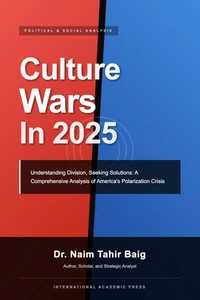
Culture Wars in 2025
E-book
8,99 €

8,99 €


8,99 €
8,99 €

8,99 €

Sudan in Flames
E-book
8,99 €

Shadow Scores
E-book
8,99 €


خاکسارِ محبت
E-book
8,99 €