Israel did not begin as a kingdom. It first appears in the record as a name carved by Egypt, listed among defeated peoples in Canaan near the end of the thirteenth century before the common era. Behind that single line stood a harder world: hill villages, old Canaanite cities, Egyptian garrisons, broken trade routes, local shrines, rival rulers, drought, tribute, and families whose lives rarely reached the written record.
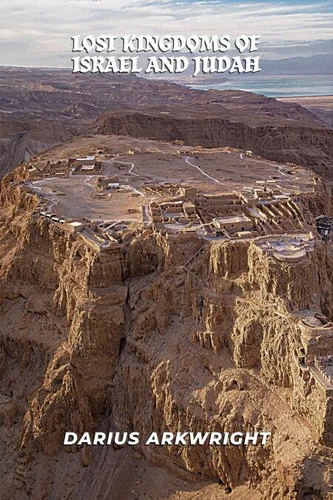
Lost Kingdoms of Israel and Judah follows that world from the first traces of Israel in Canaan to the rise of the Hebrew kingdoms, the split between north and south, the power of Samaria and Jerusalem, the Assyrian destruction of Israel, and the Babylonian fall of Judah. It looks at the land before the Bible became a finished book: Hazor, Megiddo, Gezer, Lachish, Jerusalem, Ras Shamra, the Merneptah inscription, the Amarna letters, Assyrian reliefs, Babylonian conquest records, seals, tablets, village remains, and the texts that later held the memory of defeat.
This is ancient Israel before it became easy to explain. The book does not treat archaeology as decoration or scripture as a simple record of events. It follows the argument between soil and text, between ruined cities and remembered promises, between what empires wrote in stone and what a small people preserved after catastrophe. Egypt named Israel from outside. Assyria crushed the northern kingdom.
Babylon burned Jerusalem. Persia allowed a return, but not a restoration of the old world. What survived was not a clean national story. It was a scarred inheritance: laws, laments, royal memories, prophetic anger, exile traditions, temple claims, genealogies, old poems, and fragments of a past broken more than once. Lost Kingdoms of Israel and Judah is a book about the making of ancient Israel under pressure - not as myth floating above history, and not as history stripped of memory, but as a people formed among roads, ruins, empires, scribes, shrines, kings, prophets, and defeat.
Israel did not begin as a kingdom. It first appears in the record as a name carved by Egypt, listed among defeated peoples in Canaan near the end of the thirteenth century before the common era. Behind that single line stood a harder world: hill villages, old Canaanite cities, Egyptian garrisons, broken trade routes, local shrines, rival rulers, drought, tribute, and families whose lives rarely reached the written record.
Lost Kingdoms of Israel and Judah follows that world from the first traces of Israel in Canaan to the rise of the Hebrew kingdoms, the split between north and south, the power of Samaria and Jerusalem, the Assyrian destruction of Israel, and the Babylonian fall of Judah. It looks at the land before the Bible became a finished book: Hazor, Megiddo, Gezer, Lachish, Jerusalem, Ras Shamra, the Merneptah inscription, the Amarna letters, Assyrian reliefs, Babylonian conquest records, seals, tablets, village remains, and the texts that later held the memory of defeat.
This is ancient Israel before it became easy to explain. The book does not treat archaeology as decoration or scripture as a simple record of events. It follows the argument between soil and text, between ruined cities and remembered promises, between what empires wrote in stone and what a small people preserved after catastrophe. Egypt named Israel from outside. Assyria crushed the northern kingdom.
Babylon burned Jerusalem. Persia allowed a return, but not a restoration of the old world. What survived was not a clean national story. It was a scarred inheritance: laws, laments, royal memories, prophetic anger, exile traditions, temple claims, genealogies, old poems, and fragments of a past broken more than once. Lost Kingdoms of Israel and Judah is a book about the making of ancient Israel under pressure - not as myth floating above history, and not as history stripped of memory, but as a people formed among roads, ruins, empires, scribes, shrines, kings, prophets, and defeat.

 , qui est-ce ?