Nouveauté
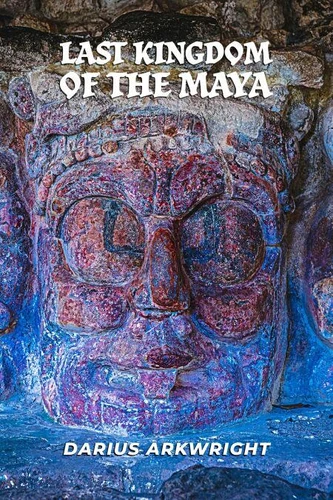
Last Kingdom of the Maya. Ancient Kingdoms, #7
Par :Formats :
Disponible dans votre compte client Decitre ou Furet du Nord dès validation de votre commande. Le format ePub est :
- Compatible avec une lecture sur My Vivlio (smartphone, tablette, ordinateur)
- Compatible avec une lecture sur liseuses Vivlio
- Pour les liseuses autres que Vivlio, vous devez utiliser le logiciel Adobe Digital Edition. Non compatible avec la lecture sur les liseuses Kindle, Remarkable et Sony
 , qui est-ce ?
Notre partenaire de plateforme de lecture numérique où vous retrouverez l'ensemble de vos ebooks gratuitement
Pour en savoir plus sur nos ebooks, consultez notre aide en ligne ici
C'est si simple ! Lisez votre ebook avec l'app Vivlio sur votre tablette, mobile ou ordinateur :

- FormatePub
- ISBN8235327030
- EAN9798235327030
- Date de parution01/07/2026
- Protection num.pas de protection
- Infos supplémentairesepub
- ÉditeurIoakim Ioakim
Résumé
The Maya were never truly lost. Their cities were. Their books were burned. Their kings were buried beneath stone, jungle, and centuries of bad history. Last Kingdom of the Maya follows the long recovery of one of the great civilizations of the ancient world: from the first Spanish glimpse of a trading canoe off Guanaja in 1502 to the decipherment of royal names carved into stone at Piedras Negras, Tikal, Copán, Palenque, Chichén Itzá, Mayapán, and beyond.
For centuries, outsiders misunderstood what they were looking at. Ruined cities were treated as mysteries without people. Glyphs were dismissed as ornament. Maya communities were pushed into the background while explorers, friars, collectors, and theorists argued over Egypt, Atlantis, lost tribes, and every explanation except the obvious one: the builders were American, and their descendants had never vanished.
This book follows the evidence that survived the damage. Burned books and colonial manuscripts. Carved stelae and broken altars. Cenotes filled with offerings. Reservoirs cut into limestone. Painted codices preserved in European libraries. Dynastic inscriptions that name births, accessions, wars, captives, deaths, and royal bloodlines. It moves through conquest, excavation, decipherment, drought, warfare, sacred geography, trade, household life, and the collapse of southern lowland courts without reducing Maya history to disappearance.
The result is a sweeping account of cities, kings, gods, scribes, warriors, farmers, traders, and living memory - a history scarred by destruction, but not erased. The Maya world did not end in the rainforest. It had to be recovered from stone, water, ash, and silence.
For centuries, outsiders misunderstood what they were looking at. Ruined cities were treated as mysteries without people. Glyphs were dismissed as ornament. Maya communities were pushed into the background while explorers, friars, collectors, and theorists argued over Egypt, Atlantis, lost tribes, and every explanation except the obvious one: the builders were American, and their descendants had never vanished.
This book follows the evidence that survived the damage. Burned books and colonial manuscripts. Carved stelae and broken altars. Cenotes filled with offerings. Reservoirs cut into limestone. Painted codices preserved in European libraries. Dynastic inscriptions that name births, accessions, wars, captives, deaths, and royal bloodlines. It moves through conquest, excavation, decipherment, drought, warfare, sacred geography, trade, household life, and the collapse of southern lowland courts without reducing Maya history to disappearance.
The result is a sweeping account of cities, kings, gods, scribes, warriors, farmers, traders, and living memory - a history scarred by destruction, but not erased. The Maya world did not end in the rainforest. It had to be recovered from stone, water, ash, and silence.