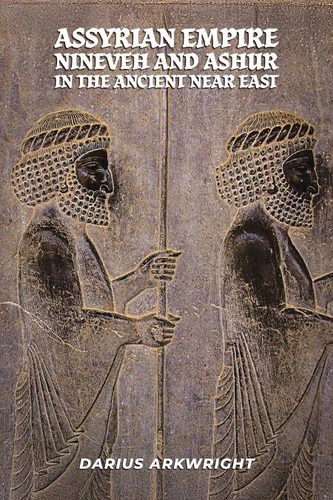
The Assyrian Empire was one of the most feared powers of the ancient world, rising from the sacred city of Ashur and reaching its height in the vast palaces, temples, libraries, and walls of Nineveh. Often remembered for siege warfare, deportation, royal violence, and carved palace reliefs, Assyria was also a society of scribes, priests, merchants, engineers, soldiers, farmers, craftsmen, and subject peoples whose lives can still be traced through clay tablets, inscriptions, letters, contracts, canals, city ruins, and excavated households.
This book follows Assyria from its early roots beside the Tigris through the growth of royal power, the building of imperial capitals, the machinery of warfare, the struggle with Babylon, and the fall of Nineveh in 612 BCE, before turning to the rediscovery of Assyria through buried palaces, carved stone panels, and colossal winged bulls. Written for readers who want archaeology, primary sources, kings, cities, temples, texts, and material evidence, Assyrian Empire, Nineveh and Ashur in the Ancient Near East presents Assyria not as a simple symbol of brutality, but as a real civilization built from land, labour, belief, violence, administration, and memory.
The Assyrian Empire was one of the most feared powers of the ancient world, rising from the sacred city of Ashur and reaching its height in the vast palaces, temples, libraries, and walls of Nineveh. Often remembered for siege warfare, deportation, royal violence, and carved palace reliefs, Assyria was also a society of scribes, priests, merchants, engineers, soldiers, farmers, craftsmen, and subject peoples whose lives can still be traced through clay tablets, inscriptions, letters, contracts, canals, city ruins, and excavated households.
This book follows Assyria from its early roots beside the Tigris through the growth of royal power, the building of imperial capitals, the machinery of warfare, the struggle with Babylon, and the fall of Nineveh in 612 BCE, before turning to the rediscovery of Assyria through buried palaces, carved stone panels, and colossal winged bulls. Written for readers who want archaeology, primary sources, kings, cities, temples, texts, and material evidence, Assyrian Empire, Nineveh and Ashur in the Ancient Near East presents Assyria not as a simple symbol of brutality, but as a real civilization built from land, labour, belief, violence, administration, and memory.

 , qui est-ce ?