SOLDES
Jusqu'à -70% sur une sélection d'articles*

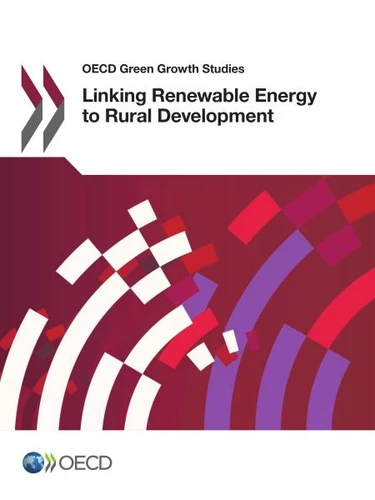
Linking renewable energy to rural development (anglais) - oecd green growth studies
Par :Formats :
Disponible dans votre compte client Decitre ou Furet du Nord dès validation de votre commande. Le format PDF est :
- Compatible avec une lecture sur My Vivlio (smartphone, tablette, ordinateur)
- Compatible avec une lecture sur liseuses Vivlio
- Pour les liseuses autres que Vivlio, vous devez utiliser le logiciel Adobe Digital Edition. Non compatible avec la lecture sur les liseuses Kindle, Remarkable et Sony
 , qui est-ce ?
Notre partenaire de plateforme de lecture numérique où vous retrouverez l'ensemble de vos ebooks gratuitement
Pour en savoir plus sur nos ebooks, consultez notre aide en ligne ici
C'est si simple ! Lisez votre ebook avec l'app Vivlio sur votre tablette, mobile ou ordinateur :

- Nombre de pages348
- FormatPDF
- ISBN978-92-64-18044-4
- EAN9789264180444
- Date de parution11/10/2012
- Protection num.Digital Watermarking
- Taille4 Mo
- Infos supplémentairespdf
- ÉditeurOECD
Résumé
In many OECD countries, governments have invested large amounts of public money to support renewable energy (RE) development and are requiring significant quantities of it to be sold by energy providers. But what are the economic impacts of these policies on the rural regions where deployment takes place? How can RE bring the greatest benefit to host regions? These are some of the questions explored by this study.
Drawing on case studies in 16 regions within 10 countries, the research finds that while RE indeed represents an opportunity for stimulating economic growth in rural communities, its development benefits are not automatic. Realising them requires a complex and flexible policy framework and a long-term strategy, as well as a realistic appreciation of the potential gains from RE deployment. Making a positive connection between RE development and local economic growth will require more coherent strategies, the right set of local conditions, and a place-based approach to deployment.
Drawing on case studies in 16 regions within 10 countries, the research finds that while RE indeed represents an opportunity for stimulating economic growth in rural communities, its development benefits are not automatic. Realising them requires a complex and flexible policy framework and a long-term strategy, as well as a realistic appreciation of the potential gains from RE deployment. Making a positive connection between RE development and local economic growth will require more coherent strategies, the right set of local conditions, and a place-based approach to deployment.
A propos de OCDE


32,99 €

72,99 €

33,99 €

32,99 €
32,99 €

32,00 €

Tax compilance by design
E-book
16,00 €

16,00 €

19,00 €

16,00 €

25,00 €


23,00 €

Women in business 2014
E-book
31,00 €

