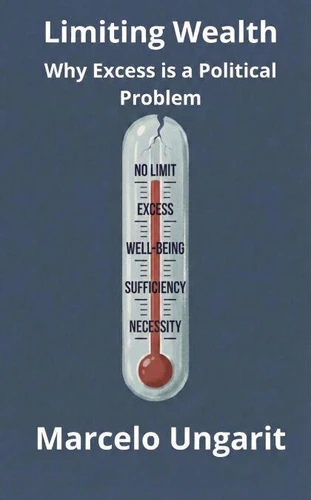



Marcelo Ungarit es el seudónimo elegido por un autor e investigador contemporáneo con el fin de preservar la total independencia de su discurso. Su trabajo se sitúa en la intersección de la investigación periodística, la divulgación social y la narrativa crítica. Bajo una premisa urgente, su obra busca diseccionar y traducir para un público amplio los grandes desafíos de nuestra era, tales como el avance del reaccionarismo, la crisis climática, el impacto tecnológico y los conflictos geopolíticos invisibilizados.
La producción del autor, publicada bajo el sello de Ediciones Doble A, destaca por su enfoque bilingüe (español e inglés) y por una estrategia multiformato que abarca ediciones impresas, libros digitales y audiolibros. Con una estructura ágil y una voz directa, Ungarit se desmarca de los adornos superfluos para ofrecer un análisis honesto, riguroso y accesible de la realidad global actual. Obras PublicadasEnsayo Político e InternacionalLa Internacional Ultraderechista: Un análisis enfocado en la metamorfosis del conservadurismo radical y el auge global de los movimientos reaccionarios.
Genocidio en Gaza (o Genocide in Gaza): Una crónica sobre la tragedia palestino-israelí, abordando el trasfondo histórico, geopolítico y humano del conflicto. Netanyahu. Criminal de Guerra: Un perfil crítico en torno a la figura del mandatario israelí y su papel en los conflictos de Oriente Medio. Yo, el rey Trump: Un estudio sobre el regreso a la Casa Blanca de Donald Trump y su influencia mediática, política y cultural en el panorama global.
La unidad de la izquierda, ¿Una quimera?: Un balance que desmenuza las grietas ideológicas y los retos internos dentro de las coaliciones progresistas. Los think tanks: Un ensayo enfocado en el funcionamiento y poder de estos laboratorios de ideas en la toma de decisiones políticas. Evangelicals: Religion and Politics: Una investigación que indaga en las relaciones e influencia del movimiento evangélico dentro de los aparatos de poder político contemporáneos.
La producción del autor, publicada bajo el sello de Ediciones Doble A, destaca por su enfoque bilingüe (español e inglés) y por una estrategia multiformato que abarca ediciones impresas, libros digitales y audiolibros. Con una estructura ágil y una voz directa, Ungarit se desmarca de los adornos superfluos para ofrecer un análisis honesto, riguroso y accesible de la realidad global actual. Obras PublicadasEnsayo Político e InternacionalLa Internacional Ultraderechista: Un análisis enfocado en la metamorfosis del conservadurismo radical y el auge global de los movimientos reaccionarios.
Genocidio en Gaza (o Genocide in Gaza): Una crónica sobre la tragedia palestino-israelí, abordando el trasfondo histórico, geopolítico y humano del conflicto. Netanyahu. Criminal de Guerra: Un perfil crítico en torno a la figura del mandatario israelí y su papel en los conflictos de Oriente Medio. Yo, el rey Trump: Un estudio sobre el regreso a la Casa Blanca de Donald Trump y su influencia mediática, política y cultural en el panorama global.
La unidad de la izquierda, ¿Una quimera?: Un balance que desmenuza las grietas ideológicas y los retos internos dentro de las coaliciones progresistas. Los think tanks: Un ensayo enfocado en el funcionamiento y poder de estos laboratorios de ideas en la toma de decisiones políticas. Evangelicals: Religion and Politics: Una investigación que indaga en las relaciones e influencia del movimiento evangélico dentro de los aparatos de poder político contemporáneos.