Selene Rothwell is a nonfiction author known for writing thoughtful books on psychology, relationships, and emotional well-being. Her reflective style blends modern research with compassionate storytelling, helping readers navigate personal growth and life's uncertainties with greater clarity and resilience.
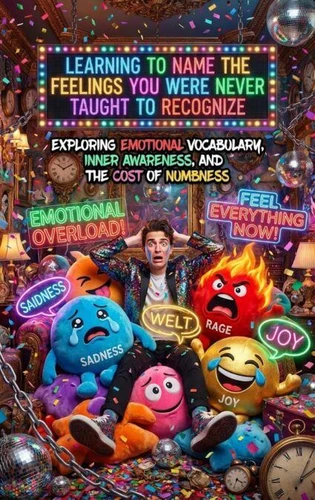
Learning to Name the Feelings You Were Never Taught to Recognize. Exploring Emotional Vocabulary, Inner Awareness, and The Cost of Numbness
Par :Formats :
Disponible dans votre compte client Decitre ou Furet du Nord dès validation de votre commande. Le format ePub est :
- Compatible avec une lecture sur My Vivlio (smartphone, tablette, ordinateur)
- Compatible avec une lecture sur liseuses Vivlio
- Pour les liseuses autres que Vivlio, vous devez utiliser le logiciel Adobe Digital Edition. Non compatible avec la lecture sur les liseuses Kindle, Remarkable et Sony
 , qui est-ce ?
Notre partenaire de plateforme de lecture numérique où vous retrouverez l'ensemble de vos ebooks gratuitement
Pour en savoir plus sur nos ebooks, consultez notre aide en ligne ici
C'est si simple ! Lisez votre ebook avec l'app Vivlio sur votre tablette, mobile ou ordinateur :

- Nombre de pages199
- FormatePub
- ISBN978-3-565-20072-6
- EAN9783565200726
- Date de parution27/01/2026
- Protection num.pas de protection
- Taille2 Mo
- Infos supplémentairesepub
- ÉditeurEmphaloz Publishing House
Résumé
You're asked how you're feeling, and the answer is always fine, tired, or stressed. Not because it's true, but because you don't have words for the tightness in your chest, the restlessness under your skin, or the heavy fog that settles after certain conversations. You weren't taught to name emotions beyond happy, sad, or angry-so everything else stays blurry, unprocessed, stuck.
This book explores emotional literacy not as a skill you should already have, but as something many adults were never given permission to develop.
It examines the difference between feeling emotions and recognizing them, the cost of suppressing nuance into simple categories, and the way unidentified feelings leak out as irritability, shutdown, or physical tension. It looks at why some emotions feel forbidden, the belief that naming pain makes it worse, and the relief of finally having language for inner experiences you've carried silently for years. Rather than prescribing positivity or emotional mastery, this book reframes literacy as the foundation for self-understanding.
It explores shame, loneliness, disappointment, resentment, tenderness, longing-and the clarity that comes from calling things by their actual names. It examines the difference between intellectualizing feelings and actually feeling them, and the quiet power of saying "I feel grief" instead of "I'm fine." For anyone who numbs before they notice, who struggles to identify emotions beyond surface-level labels, or who senses something beneath the words but can't articulate it-this book offers vocabulary, permission, and the relief of finally understanding the emotional landscape you've been navigating blind.
It examines the difference between feeling emotions and recognizing them, the cost of suppressing nuance into simple categories, and the way unidentified feelings leak out as irritability, shutdown, or physical tension. It looks at why some emotions feel forbidden, the belief that naming pain makes it worse, and the relief of finally having language for inner experiences you've carried silently for years. Rather than prescribing positivity or emotional mastery, this book reframes literacy as the foundation for self-understanding.
It explores shame, loneliness, disappointment, resentment, tenderness, longing-and the clarity that comes from calling things by their actual names. It examines the difference between intellectualizing feelings and actually feeling them, and the quiet power of saying "I feel grief" instead of "I'm fine." For anyone who numbs before they notice, who struggles to identify emotions beyond surface-level labels, or who senses something beneath the words but can't articulate it-this book offers vocabulary, permission, and the relief of finally understanding the emotional landscape you've been navigating blind.