SOLDES
Jusqu'à -70% sur une sélection d'articles*

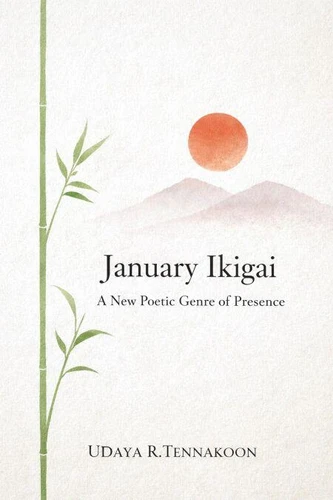
January Ikigai: A New Poetic Genre of Presence. Philosophy Poetry, #4
Par :Formats :
Disponible dans votre compte client Decitre ou Furet du Nord dès validation de votre commande. Le format ePub est :
- Compatible avec une lecture sur My Vivlio (smartphone, tablette, ordinateur)
- Compatible avec une lecture sur liseuses Vivlio
- Pour les liseuses autres que Vivlio, vous devez utiliser le logiciel Adobe Digital Edition. Non compatible avec la lecture sur les liseuses Kindle, Remarkable et Sony
 , qui est-ce ?
Notre partenaire de plateforme de lecture numérique où vous retrouverez l'ensemble de vos ebooks gratuitement
Pour en savoir plus sur nos ebooks, consultez notre aide en ligne ici
C'est si simple ! Lisez votre ebook avec l'app Vivlio sur votre tablette, mobile ou ordinateur :

- FormatePub
- ISBN8233732782
- EAN9798233732782
- Date de parution24/01/2026
- Protection num.pas de protection
- Infos supplémentairesepub
- ÉditeurLinda Balsamo
Résumé
January Ikigai: A New Poetic Genre of Presence is a contemplative work that resists definition while inviting attention. Situated between poetry, philosophy, and lived experience, the book unfolds through spare language, interior scenes, and reflective pauses. Rather than explaining Ikigai as purpose or productivity, it allows Ikigai to arise organically-from winter light, from conversation, from criticism, and from silence.
January is not merely a month here; it is a state of being. It signifies beginnings stripped of excess, a cold clarity that follows endings, and a readiness to listen. The poems move through domestic spaces, moments of self-doubt, quiet humor, and philosophical tension. Critics and comments are not antagonists but midwives-forces that awaken rather than wound. Written in a minimalist and transmodern sensibility, January Ikigai bridges East and West, intimacy and thought, vulnerability and resolve.
It proposes poetry as presence: not something to be consumed, but something to be inhabited. Each text stands as an invitation to slow down, to observe without mastery, and to recognize meaning as something conceived in relation-never alone. This book is for readers who value stillness over spectacle, depth over declaration, and who understand that wisdom often arrives softly, through dialogue, contradiction, and lived time.
January is not merely a month here; it is a state of being. It signifies beginnings stripped of excess, a cold clarity that follows endings, and a readiness to listen. The poems move through domestic spaces, moments of self-doubt, quiet humor, and philosophical tension. Critics and comments are not antagonists but midwives-forces that awaken rather than wound. Written in a minimalist and transmodern sensibility, January Ikigai bridges East and West, intimacy and thought, vulnerability and resolve.
It proposes poetry as presence: not something to be consumed, but something to be inhabited. Each text stands as an invitation to slow down, to observe without mastery, and to recognize meaning as something conceived in relation-never alone. This book is for readers who value stillness over spectacle, depth over declaration, and who understand that wisdom often arrives softly, through dialogue, contradiction, and lived time.
A propos de Udaya R. Tennakoon

5,99 €






6,99 €

5,49 €

6,49 €

5,49 €

7,99 €