Selene Rothwell is a nonfiction author known for writing thoughtful books on psychology, relationships, and emotional well-being. Her reflective style blends modern research with compassionate storytelling, helping readers navigate personal growth and life's uncertainties with greater clarity and resilience.
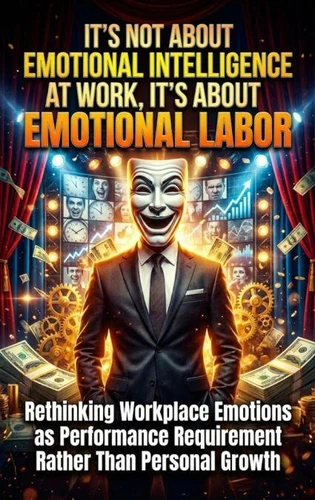
It's Not About Emotional Intelligence at Work, It's About Emotional Labor. Rethinking Workplace Emotions as Performance Requirement Rather Than Personal Growth
Par :Formats :
Disponible dans votre compte client Decitre ou Furet du Nord dès validation de votre commande. Le format ePub est :
- Compatible avec une lecture sur My Vivlio (smartphone, tablette, ordinateur)
- Compatible avec une lecture sur liseuses Vivlio
- Pour les liseuses autres que Vivlio, vous devez utiliser le logiciel Adobe Digital Edition. Non compatible avec la lecture sur les liseuses Kindle, Remarkable et Sony
 , qui est-ce ?
Notre partenaire de plateforme de lecture numérique où vous retrouverez l'ensemble de vos ebooks gratuitement
Pour en savoir plus sur nos ebooks, consultez notre aide en ligne ici
C'est si simple ! Lisez votre ebook avec l'app Vivlio sur votre tablette, mobile ou ordinateur :

- Nombre de pages219
- FormatePub
- ISBN978-3-565-21254-5
- EAN9783565212545
- Date de parution30/01/2026
- Protection num.pas de protection
- Taille2 Mo
- Infos supplémentairesepub
- ÉditeurEmphaloz Publishing House
Résumé
This book explores the often-unexamined difference between emotional intelligence and emotional labor-the ways workplace culture reframes the management of others' emotions and your own suppression as a professional skill rather than an exhausting requirement. It examines how emotional intelligence advice at work can obscure power dynamics: the expectation that you regulate your reactions to unfair treatment, manage difficult personalities without addressing systemic issues, or perform positivity regardless of circumstances.
The text questions whether developing emotional intelligence actually serves you or primarily serves workplace productivity and conflict avoidance. Rather than offering techniques to improve workplace emotional skills, the book reframes emotional intelligence demands as fundamentally about labor-unpaid work of managing team morale, absorbing others' dysregulation, or suppressing legitimate responses to maintain professional composure.
It explores the patterns that make this labor invisible: calling boundary-setting "lack of emotional intelligence, " framing emotional suppression as maturity, treating your authentic reactions as problems to manage rather than information about workplace dysfunction. Through psychological insight, the text examines what workplace emotional intelligence actually costs-particularly for those expected to perform more emotional labor based on gender, position, or personality.
It explores the difference between genuine emotional awareness and performative emotional management for others' comfort. This isn't about developing better workplace emotional skills-it's about recognizing when emotional intelligence expectations are really demands for unpaid emotional labor, and understanding what authentic emotional integrity looks like versus what serves organizational comfort.
The text questions whether developing emotional intelligence actually serves you or primarily serves workplace productivity and conflict avoidance. Rather than offering techniques to improve workplace emotional skills, the book reframes emotional intelligence demands as fundamentally about labor-unpaid work of managing team morale, absorbing others' dysregulation, or suppressing legitimate responses to maintain professional composure.
It explores the patterns that make this labor invisible: calling boundary-setting "lack of emotional intelligence, " framing emotional suppression as maturity, treating your authentic reactions as problems to manage rather than information about workplace dysfunction. Through psychological insight, the text examines what workplace emotional intelligence actually costs-particularly for those expected to perform more emotional labor based on gender, position, or personality.
It explores the difference between genuine emotional awareness and performative emotional management for others' comfort. This isn't about developing better workplace emotional skills-it's about recognizing when emotional intelligence expectations are really demands for unpaid emotional labor, and understanding what authentic emotional integrity looks like versus what serves organizational comfort.