SOLDES
Jusqu'à -70% sur une sélection d'articles*

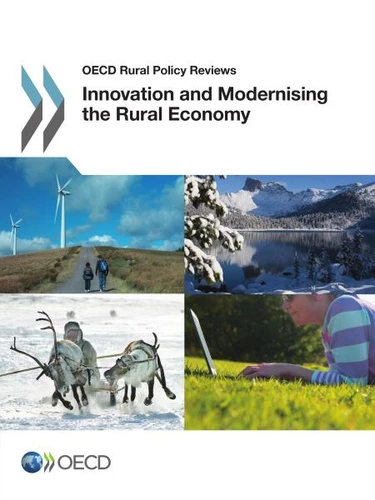
Innovation and Modernising the Rural Economy
Par :Formats :
Disponible dans votre compte client Decitre ou Furet du Nord dès validation de votre commande. Le format PDF est :
- Compatible avec une lecture sur My Vivlio (smartphone, tablette, ordinateur)
- Compatible avec une lecture sur liseuses Vivlio
- Pour les liseuses autres que Vivlio, vous devez utiliser le logiciel Adobe Digital Edition. Non compatible avec la lecture sur les liseuses Kindle, Remarkable et Sony
 , qui est-ce ?
Notre partenaire de plateforme de lecture numérique où vous retrouverez l'ensemble de vos ebooks gratuitement
Pour en savoir plus sur nos ebooks, consultez notre aide en ligne ici
C'est si simple ! Lisez votre ebook avec l'app Vivlio sur votre tablette, mobile ou ordinateur :

- Nombre de pages148
- FormatPDF
- ISBN978-92-64-20539-0
- EAN9789264205390
- Date de parution29/04/2014
- Protection num.Digital Watermarking
- Taille4 Mo
- Infos supplémentairespdf
- ÉditeurOECD
Résumé
This publication is a result of the discussions from the OECD 8th Rural Development Policy Conference: "Innovation and modernising the rural economy" which took place in Krasnoyarsk, Russia on 3-5 October 2012. It provides an overview of the two themes of modernisation and innovation, focusing on identifying the attributes of the modern rural economy and showing how it differs from the traditional rural economy and from metropolitan economies.
It also shows how rural innovation is a key driver of rural economic growth using patents as a measure. The second part of the book consists of four chapters that offer evidence of rural regions' potential to contribute to national economic growth. In addition, each provides useful context for Part I by outlining four different perspectives on the process of modernisation and innovation, and specifically, how they can take place in the rural territories of OECD countries.
In each paper, the authors explore the opportunities and impediments to these twin processes and how government policy can help or hinder them.
It also shows how rural innovation is a key driver of rural economic growth using patents as a measure. The second part of the book consists of four chapters that offer evidence of rural regions' potential to contribute to national economic growth. In addition, each provides useful context for Part I by outlining four different perspectives on the process of modernisation and innovation, and specifically, how they can take place in the rural territories of OECD countries.
In each paper, the authors explore the opportunities and impediments to these twin processes and how government policy can help or hinder them.
A propos de OCDE


32,99 €

72,99 €

33,99 €


32,99 €
32,99 €

32,00 €

Tax compilance by design
E-book
16,00 €

16,00 €

19,00 €

16,00 €

25,00 €


23,00 €

Women in business 2014
E-book
31,00 €

