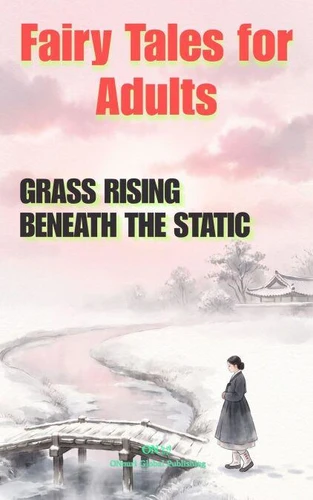
Before sunrise, Hyejin begins another morning in a wealthy household on the outskirts of Seoul. Cold water, dry leaves, kitchen sounds-and the persistent static of a radio from the second floor. The radio belongs to Junho, the young master of the house, who lost his sight in a factory accident two years earlier. Hyejin has learned to live quietly. She keeps a small bundle hidden in the anteroom: two changes of clothes, an old savings book, and a paper bag filled with dried grass from a deep ravine in her hometown.
Her father once called it simply "grass." When soaked by rain, it came back to life. Then a stranger arrives looking for a woman with a scar behind her ear. A radio repair shop. A forgotten piece of paper hidden inside an old radio. A debt that has finally been paid. And Taesik, the man who has followed Hyejin from the life she tried to leave behind. As the household begins to fracture, Hyejin finds herself caught between people who want her to stay, people who want her to leave, and the life she has never allowed herself to choose.
Throughout it all, the radio continues to whisper through the static. A fragment of a song appears, disappears, and returns again-like a memory that refuses to die. Grass Rising Beneath the Static is a quiet literary story about wounds that remain unseen, debts that bind people together, and the fragile possibility of beginning again. At its heart is a simple question: when everything around you tells you where you belong, can you still choose where to go?
Before sunrise, Hyejin begins another morning in a wealthy household on the outskirts of Seoul. Cold water, dry leaves, kitchen sounds-and the persistent static of a radio from the second floor. The radio belongs to Junho, the young master of the house, who lost his sight in a factory accident two years earlier. Hyejin has learned to live quietly. She keeps a small bundle hidden in the anteroom: two changes of clothes, an old savings book, and a paper bag filled with dried grass from a deep ravine in her hometown.
Her father once called it simply "grass." When soaked by rain, it came back to life. Then a stranger arrives looking for a woman with a scar behind her ear. A radio repair shop. A forgotten piece of paper hidden inside an old radio. A debt that has finally been paid. And Taesik, the man who has followed Hyejin from the life she tried to leave behind. As the household begins to fracture, Hyejin finds herself caught between people who want her to stay, people who want her to leave, and the life she has never allowed herself to choose.
Throughout it all, the radio continues to whisper through the static. A fragment of a song appears, disappears, and returns again-like a memory that refuses to die. Grass Rising Beneath the Static is a quiet literary story about wounds that remain unseen, debts that bind people together, and the fragile possibility of beginning again. At its heart is a simple question: when everything around you tells you where you belong, can you still choose where to go?