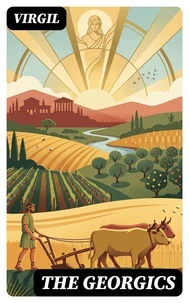
The Georgics is a poem by Latin poet Virgil, likely published in 29 BC. As the name suggests (from the Greek word ????????, georgika, i.e. "agricultural (things)") the subject of the poem is agriculture; but far from being an example of peaceful rural poetry, it is a work characterized by tensions in both theme and purpose.
The Georgics is considered Virgil's second major work, following his Eclogues and preceding the Aeneid.
The poem draws on a variety of prior sources, [citation needed] and has influenced many later authors from antiquity to the present.
The Georgics is a poem by Latin poet Virgil, likely published in 29 BC. As the name suggests (from the Greek word ????????, georgika, i.e. "agricultural (things)") the subject of the poem is agriculture; but far from being an example of peaceful rural poetry, it is a work characterized by tensions in both theme and purpose.
The Georgics is considered Virgil's second major work, following his Eclogues and preceding the Aeneid.
The poem draws on a variety of prior sources, [citation needed] and has influenced many later authors from antiquity to the present.

 , qui est-ce ?