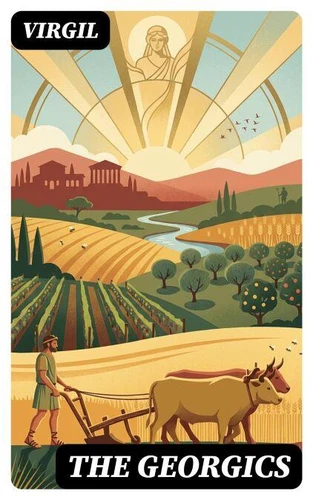
Virgil's "The Georgics" is a masterful poem that intricately weaves the themes of agriculture, rural life, and nature's cycles into a rich tapestry of poetic form and philosophical reflection. Comprising four books, the text employs a blend of didactic and elegiac styles, showcasing the poetic techniques of invocations, vivid imagery, and meticulous attention to the natural world. Set against the backdrop of the Roman agrarian society and influenced by the Hellenistic ideals of pastoral poetry, "The Georgics" serves both as a guide to farming practices and an exploration of mankind's relationship with the earth, enriched by its mediations on toil, suffering, and the divine.
Virgil, a prominent figure of Augustan literature, crafted this work during a turbulent period in Roman history, where agrarian reform was a pivotal issue. His own background, hailing from a rural region, allowed him an intimate understanding of farming life, while his connection to the imperial court underscored the societal relevance of agrarian themes. Virgil's experiences and the political context of his time profoundly influenced his portrayal of both the joys and hardships of farmers, making the work a reflection of personal and collective resilience.
For readers interested in the intersections of literature, nature, and culture, "The Georgics" is an indispensable exploration of the human condition. It invites scholars and casual readers alike to reflect on their own relationships with the land, urging a recognition of the labor that sustains life. This remarkable work not only entertains but also educates, making it a timeless treasure in the canon of classical literature.
In this enriched edition, we have carefully created added value for your reading experience:
- A succinct Introduction situates the work's timeless appeal and themes.
- The Synopsis outlines the central plot, highlighting key developments without spoiling critical twists.
- A detailed Historical Context immerses you in the era's events and influences that shaped the writing.
- An Author Biography reveals milestones in the author's life, illuminating the personal insights behind the text.
- A thorough Analysis dissects symbols, motifs, and character arcs to unearth underlying meanings.
- Reflection questions prompt you to engage personally with the work's messages, connecting them to modern life.
- Hand-picked Memorable Quotes shine a spotlight on moments of literary brilliance.
- Interactive footnotes clarify unusual references, historical allusions, and archaic phrases for an effortless, more informed read.
Virgil's "The Georgics" is a masterful poem that intricately weaves the themes of agriculture, rural life, and nature's cycles into a rich tapestry of poetic form and philosophical reflection. Comprising four books, the text employs a blend of didactic and elegiac styles, showcasing the poetic techniques of invocations, vivid imagery, and meticulous attention to the natural world. Set against the backdrop of the Roman agrarian society and influenced by the Hellenistic ideals of pastoral poetry, "The Georgics" serves both as a guide to farming practices and an exploration of mankind's relationship with the earth, enriched by its mediations on toil, suffering, and the divine.
Virgil, a prominent figure of Augustan literature, crafted this work during a turbulent period in Roman history, where agrarian reform was a pivotal issue. His own background, hailing from a rural region, allowed him an intimate understanding of farming life, while his connection to the imperial court underscored the societal relevance of agrarian themes. Virgil's experiences and the political context of his time profoundly influenced his portrayal of both the joys and hardships of farmers, making the work a reflection of personal and collective resilience.
For readers interested in the intersections of literature, nature, and culture, "The Georgics" is an indispensable exploration of the human condition. It invites scholars and casual readers alike to reflect on their own relationships with the land, urging a recognition of the labor that sustains life. This remarkable work not only entertains but also educates, making it a timeless treasure in the canon of classical literature.
In this enriched edition, we have carefully created added value for your reading experience:
- A succinct Introduction situates the work's timeless appeal and themes.
- The Synopsis outlines the central plot, highlighting key developments without spoiling critical twists.
- A detailed Historical Context immerses you in the era's events and influences that shaped the writing.
- An Author Biography reveals milestones in the author's life, illuminating the personal insights behind the text.
- A thorough Analysis dissects symbols, motifs, and character arcs to unearth underlying meanings.
- Reflection questions prompt you to engage personally with the work's messages, connecting them to modern life.
- Hand-picked Memorable Quotes shine a spotlight on moments of literary brilliance.
- Interactive footnotes clarify unusual references, historical allusions, and archaic phrases for an effortless, more informed read.

 , qui est-ce ?