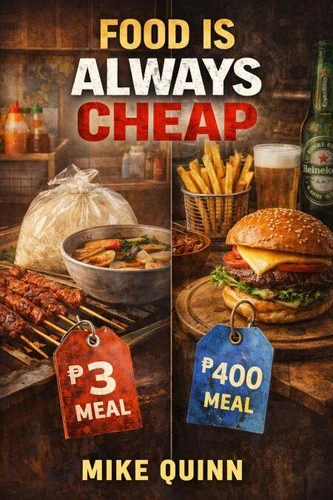
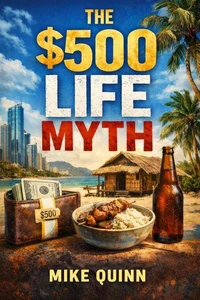
Food Is Always Cheap. MONEY AND COST MYTHS, #1
Par :Formats :
Disponible dans votre compte client Decitre ou Furet du Nord dès validation de votre commande. Le format ePub est :
- Compatible avec une lecture sur My Vivlio (smartphone, tablette, ordinateur)
- Compatible avec une lecture sur liseuses Vivlio
- Pour les liseuses autres que Vivlio, vous devez utiliser le logiciel Adobe Digital Edition. Non compatible avec la lecture sur les liseuses Kindle, Remarkable et Sony
 , qui est-ce ?
Notre partenaire de plateforme de lecture numérique où vous retrouverez l'ensemble de vos ebooks gratuitement
Pour en savoir plus sur nos ebooks, consultez notre aide en ligne ici
C'est si simple ! Lisez votre ebook avec l'app Vivlio sur votre tablette, mobile ou ordinateur :

- FormatePub
- ISBN8233966651
- EAN9798233966651
- Date de parution19/02/2026
- Protection num.pas de protection
- Infos supplémentairesepub
- ÉditeurLinda Balsamo
Résumé
"Food is always cheap" is one of the most confidently repeated claims about life in the Philippines-and one of the fastest to collapse once someone starts living here full time. It sounds reasonable. Street food is inexpensive. Local meals cost little. Market prices look low compared to Western grocery stores. From the outside, the conclusion feels obvious. From the inside, it doesn't hold. This book exists because food costs are not determined by geography alone.
They are determined by habits, routines, comfort levels, and how long someone has actually been living in the environment. The version of food spending shown online is almost always a snapshot taken at the cheapest possible angle. What's missing is the accumulation-the repetition, the convenience spending, the imported items, the delivery fees, the waste, and the slow drift away from ultra-frugal eating.
Foreigners don't arrive planning to eat expensively. They arrive planning to adapt. What they aren't told is that adaptation costs money. Local food works when expectations are local. The moment foreign expectations enter the picture-portion size, variety, protein preferences, familiarity-the budget shifts. Not suddenly. Gradually. Quietly. Permanently. This book is not about whether food can be cheap.
It absolutely can. It's about why food usually isn't cheap for foreigners over time, even when they believe they're being careful. It explains where the money actually goes after the novelty fades and routines take over. There is no moral judgment here. There is no advice about how you should eat. There is only an honest breakdown of how food spending behaves in real life-outside of highlight reels, challenge videos, and carefully edited budgets.
If you want fantasy numbers, this book isn't for you. If you want to understand why your food costs don't match what you were promised, read on.
They are determined by habits, routines, comfort levels, and how long someone has actually been living in the environment. The version of food spending shown online is almost always a snapshot taken at the cheapest possible angle. What's missing is the accumulation-the repetition, the convenience spending, the imported items, the delivery fees, the waste, and the slow drift away from ultra-frugal eating.
Foreigners don't arrive planning to eat expensively. They arrive planning to adapt. What they aren't told is that adaptation costs money. Local food works when expectations are local. The moment foreign expectations enter the picture-portion size, variety, protein preferences, familiarity-the budget shifts. Not suddenly. Gradually. Quietly. Permanently. This book is not about whether food can be cheap.
It absolutely can. It's about why food usually isn't cheap for foreigners over time, even when they believe they're being careful. It explains where the money actually goes after the novelty fades and routines take over. There is no moral judgment here. There is no advice about how you should eat. There is only an honest breakdown of how food spending behaves in real life-outside of highlight reels, challenge videos, and carefully edited budgets.
If you want fantasy numbers, this book isn't for you. If you want to understand why your food costs don't match what you were promised, read on.
A propos de Mike Quinn


2,99 €







2,99 €