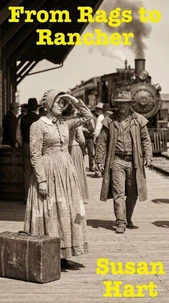
In the autumn of 1875, a twenty-eight-year-old woman named Esther Palmer embarked on the final leg of a journey she had planned, paid for, and obsessed over for the better part of a decade. Her name was stitched in careful block letters inside the battered carpetbag she clutched, the only thing left unscathed after the long passage from Boston to the raw edge of California. She had traveled by train, by coach, and-on that last day-by a rickety open wagon filled with crates of hens and bottles of red pepper sauce, the driver muttering to himself in three languages, none of them English.
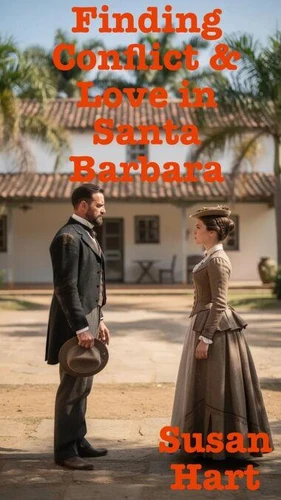
Now, standing on the threshold of the Santa Barbara stage depot, she found herself transfixed by the town that was to be her new home.
In the autumn of 1875, a twenty-eight-year-old woman named Esther Palmer embarked on the final leg of a journey she had planned, paid for, and obsessed over for the better part of a decade. Her name was stitched in careful block letters inside the battered carpetbag she clutched, the only thing left unscathed after the long passage from Boston to the raw edge of California. She had traveled by train, by coach, and-on that last day-by a rickety open wagon filled with crates of hens and bottles of red pepper sauce, the driver muttering to himself in three languages, none of them English.
Now, standing on the threshold of the Santa Barbara stage depot, she found herself transfixed by the town that was to be her new home.


 , qui est-ce ?