
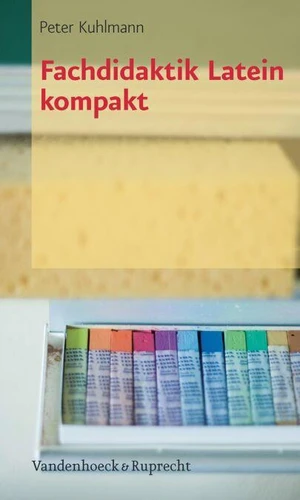
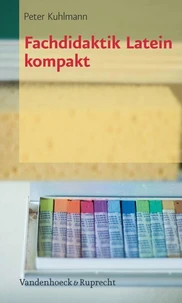
Fachdidaktik Latein kompakt
Par :Formats :
Disponible dans votre compte client Decitre ou Furet du Nord dès validation de votre commande. Le format ePub est :
- Compatible avec une lecture sur My Vivlio (smartphone, tablette, ordinateur)
- Compatible avec une lecture sur liseuses Vivlio
- Pour les liseuses autres que Vivlio, vous devez utiliser le logiciel Adobe Digital Edition. Non compatible avec la lecture sur les liseuses Kindle, Remarkable et Sony
 , qui est-ce ?
Notre partenaire de plateforme de lecture numérique où vous retrouverez l'ensemble de vos ebooks gratuitement
Pour en savoir plus sur nos ebooks, consultez notre aide en ligne ici
C'est si simple ! Lisez votre ebook avec l'app Vivlio sur votre tablette, mobile ou ordinateur :

- Nombre de pages158
- FormatePub
- ISBN978-3-647-99509-0
- EAN9783647995090
- Date de parution23/05/2012
- Protection num.pas de protection
- Taille4 Mo
- Infos supplémentairesepub
- ÉditeurVandenhoeck & Ruprecht
Résumé
Latin in schools is experiencing an ever stronger revival among both parents and students at the gymnasium and in comprehensive schools. There have never been so many Latin pupils as there are today. This presents new challenges to teachers who strive to keep all pupils on track by differentiating their lessons and paying special attention to their respective competence and the influence of modern foreign languages.
All pupils today are also learning English parallel to Latin and often implement computers and other tools to help them learn. This handbook explores these developments and challenges and implements them into teaching Latin in schools, particularly for teachers still in training. It looks at the central themes of content, methods and modern Latin didactics and Latin exerciseswith particular emphasis on aspects of language didactics, i.e., both traditional themes such as grammar, vocabulary, translation and competence orientation as well as working with portfolios and new media.
Each topic is first explained shortly in theory and then presented using practical examples from classroom situations. For the basic problems there are a number of concrete suggestions for implementing this knowledge in daily work.
All pupils today are also learning English parallel to Latin and often implement computers and other tools to help them learn. This handbook explores these developments and challenges and implements them into teaching Latin in schools, particularly for teachers still in training. It looks at the central themes of content, methods and modern Latin didactics and Latin exerciseswith particular emphasis on aspects of language didactics, i.e., both traditional themes such as grammar, vocabulary, translation and competence orientation as well as working with portfolios and new media.
Each topic is first explained shortly in theory and then presented using practical examples from classroom situations. For the basic problems there are a number of concrete suggestions for implementing this knowledge in daily work.
A propos de Peter Kuhlmann


18,00 €

18,00 €
19,00 €


19,00 €


19,00 €

19,00 €
19,00 €

19,00 €
19,00 €


19,00 €
20,00 €