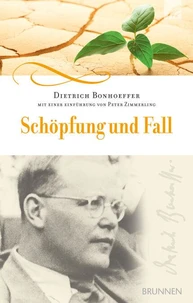
Peter Zimmerling, Dr. theol., Jahrgang 1958, studierte Evangelische Theologie in Tübingen und Erlangen, war von 1989 bis 1993 Pfarrer der Kommunität »Offensive Junger Christen« auf Schloss Reichenberg/Odw. und ist seit 2005 Professor für Praktische Theologie mit Schwerpunkt Seelsorge an der Theologischen Fakultät der Universität Leipzig, deren Erster Universitätsprediger er ist. Seit 2009 ist er zudem Domherr zu Meißen.
Nouveauté
Ein Gott, der richtet?
Par :Formats :
Disponible dans votre compte client Decitre ou Furet du Nord dès validation de votre commande. Le format PDF est :
- Compatible avec une lecture sur My Vivlio (smartphone, tablette, ordinateur)
- Compatible avec une lecture sur liseuses Vivlio
- Pour les liseuses autres que Vivlio, vous devez utiliser le logiciel Adobe Digital Edition. Non compatible avec la lecture sur les liseuses Kindle, Remarkable et Sony
 , qui est-ce ?
Notre partenaire de plateforme de lecture numérique où vous retrouverez l'ensemble de vos ebooks gratuitement
Pour en savoir plus sur nos ebooks, consultez notre aide en ligne ici
C'est si simple ! Lisez votre ebook avec l'app Vivlio sur votre tablette, mobile ou ordinateur :

- Nombre de pages246
- FormatPDF
- ISBN978-3-374-08109-7
- EAN9783374081097
- Date de parution24/07/2026
- Protection num.Digital Watermarking
- Taille18 Mo
- Infos supplémentairespdf
- ÉditeurEvangelische Verlagsanstalt
Résumé
Die Vorstellung von einem richtenden Gott spielt gegenwärtig in Theologie, Kirche und Gesellschaft höchstens eine marginale Rolle. Das verbreitete Bild vom liebenden Gott wird häufig als unvereinbar mit einem richtenden Handeln Gottes betrachtet. Im Gegensatz dazu ist die Rede vom unberechenbaren, zornigen und richtenden Gott fester Bestandteil des Alten und Neuen Testaments: »Schrecklich ist's, in die Hände des lebendigen Gottes zu fallen.« (Hebr 10, 31).
Auch die biblische Hoffnung auf ein Ende allen Unrechts ist untrennbar mit der Erwartung von Gottes Gericht verbunden.
Das Buch fragt, wie ein richtender Gott heute theologisch gedacht und im kirchlichen Leben zur Geltung gebracht werden kann. Das geschieht in (ökumenischen) Beiträgen aus den unterschiedlichen theologischen Disziplinen und aus dem Bereich von Psychologie und Kunstgeschichte. Mit Beiträgen von Michael Beintker, Ingolf U. Dalferth, Roland Deines, Julia Drube, Josip Gregur, Martin P. Grünholz, Rüdiger Lux, Markus Schmidt, Stefan Schweyer, Günter Thomas, Michael Utsch, Frank Weigelt und Peter Zimmerling. [A God Who Judges?] The idea of a judging God currently plays at most a marginal role in theology, the church, and society.
The widespread image of a loving God is often considered incompatible with God's judgemental actions. In contrast, talk of an unpredictable, angry, and judging God is an integral part of the Old and New Testaments: »It is a dreadful thing to fall into the hands of the living God« (Hebrews 10:31). The biblical hope for an end to all injustice is also inseparably linked to the expectation of God's judgement.
The book asks how a judging God can be conceived theologically today and brought to bear in church life. This is done in (ecumenical) contributions from the different theological disciplines and from the fields of psychology and art history.
Das Buch fragt, wie ein richtender Gott heute theologisch gedacht und im kirchlichen Leben zur Geltung gebracht werden kann. Das geschieht in (ökumenischen) Beiträgen aus den unterschiedlichen theologischen Disziplinen und aus dem Bereich von Psychologie und Kunstgeschichte. Mit Beiträgen von Michael Beintker, Ingolf U. Dalferth, Roland Deines, Julia Drube, Josip Gregur, Martin P. Grünholz, Rüdiger Lux, Markus Schmidt, Stefan Schweyer, Günter Thomas, Michael Utsch, Frank Weigelt und Peter Zimmerling. [A God Who Judges?] The idea of a judging God currently plays at most a marginal role in theology, the church, and society.
The widespread image of a loving God is often considered incompatible with God's judgemental actions. In contrast, talk of an unpredictable, angry, and judging God is an integral part of the Old and New Testaments: »It is a dreadful thing to fall into the hands of the living God« (Hebrews 10:31). The biblical hope for an end to all injustice is also inseparably linked to the expectation of God's judgement.
The book asks how a judging God can be conceived theologically today and brought to bear in church life. This is done in (ecumenical) contributions from the different theological disciplines and from the fields of psychology and art history.