
Nouveauté
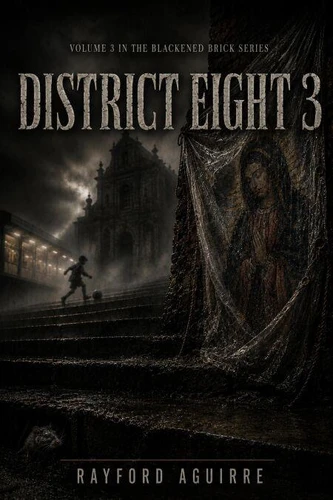
District Eight 3. Blackened Brick, #3
Par :Formats :
Disponible dans votre compte client Decitre ou Furet du Nord dès validation de votre commande. Le format ePub est :
- Compatible avec une lecture sur My Vivlio (smartphone, tablette, ordinateur)
- Compatible avec une lecture sur liseuses Vivlio
- Pour les liseuses autres que Vivlio, vous devez utiliser le logiciel Adobe Digital Edition. Non compatible avec la lecture sur les liseuses Kindle, Remarkable et Sony
 , qui est-ce ?
Notre partenaire de plateforme de lecture numérique où vous retrouverez l'ensemble de vos ebooks gratuitement
Pour en savoir plus sur nos ebooks, consultez notre aide en ligne ici
C'est si simple ! Lisez votre ebook avec l'app Vivlio sur votre tablette, mobile ou ordinateur :

- FormatePub
- ISBN8235366879
- EAN9798235366879
- Date de parution16/07/2026
- Protection num.pas de protection
- Infos supplémentairesepub
- ÉditeurIoakim Ioakim
Résumé
Five years after the fire that made District Eight visible, the victory has calcified into something harder than hope. The Community Land Trust holds twenty-three units of permanently affordable housing, but permanence is a word from another neighborhood. The roof of Unit 14 leaks. The mold behind Rico's dresser spreads. His daughter coughs through the night, inheriting an asthma that predates her lungs.
The city calls the neighborhood a "heritage corridor" while it draws maps to erase the people who live there. And Rayford Aquirre-who has spent twenty years watching, recording, testifying-discovers that his notebooks are not resistance. They are extraction. District Eight 3 is the final movement of a trilogy about what remains when the shouting stops. Tamika, the tenant representative who once threw a water bottle at a city official, now sits at the folding table where her own board votes to defer maintenance she cannot afford to fix.
Miguel, who once organized with his voice, repairs what he can with his hands and does not speak at all. The sustainability class arrives with organic lemonade and good intentions, unaware that their presence is the displacement they came to prevent. And Rayford, who has written everyone's dignity but his own, begins to understand that the attitudinal fallacy was his: he made saints of the exhausted, then called it literature.
When the ceiling of Unit 14 finally gives way, the community does not march. It bails. It patches. It passes tar paper and nails from hand to hand in the rain. The wall with Maria's face-fading, illegible, still there-must be defended not with testimony but with bodies. The hammer passes from father to daughter. The bucket, the same bucket from the first eviction, catches what falls. And Rayford, for the first time in twenty years, closes his notebook and picks up a trowel.
This is not a story about heroes. It is a story about maintenance: the invisible, exhausting, honorable labor of keeping a community alive when the systems designed to save it become mechanisms of slow failure. The concrete heals slower than skin. The fog rolls in. The bricks remember. And the only inheritance that cannot be taxed is the refusal to leave. For readers of The Grapes of Wrath, There There, Evicted, and The Overstory - a novel that asks not who remembers or who acts, but who stays.
And what staying costs.
The city calls the neighborhood a "heritage corridor" while it draws maps to erase the people who live there. And Rayford Aquirre-who has spent twenty years watching, recording, testifying-discovers that his notebooks are not resistance. They are extraction. District Eight 3 is the final movement of a trilogy about what remains when the shouting stops. Tamika, the tenant representative who once threw a water bottle at a city official, now sits at the folding table where her own board votes to defer maintenance she cannot afford to fix.
Miguel, who once organized with his voice, repairs what he can with his hands and does not speak at all. The sustainability class arrives with organic lemonade and good intentions, unaware that their presence is the displacement they came to prevent. And Rayford, who has written everyone's dignity but his own, begins to understand that the attitudinal fallacy was his: he made saints of the exhausted, then called it literature.
When the ceiling of Unit 14 finally gives way, the community does not march. It bails. It patches. It passes tar paper and nails from hand to hand in the rain. The wall with Maria's face-fading, illegible, still there-must be defended not with testimony but with bodies. The hammer passes from father to daughter. The bucket, the same bucket from the first eviction, catches what falls. And Rayford, for the first time in twenty years, closes his notebook and picks up a trowel.
This is not a story about heroes. It is a story about maintenance: the invisible, exhausting, honorable labor of keeping a community alive when the systems designed to save it become mechanisms of slow failure. The concrete heals slower than skin. The fog rolls in. The bricks remember. And the only inheritance that cannot be taxed is the refusal to leave. For readers of The Grapes of Wrath, There There, Evicted, and The Overstory - a novel that asks not who remembers or who acts, but who stays.
And what staying costs.
A propos de Rayford Aquirre

The Good Use of a Body
E-book
6,49 €
6,49 €
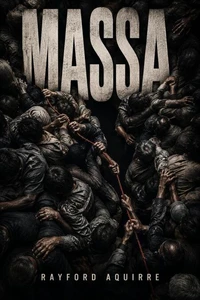
MASSA
E-book
6,49 €
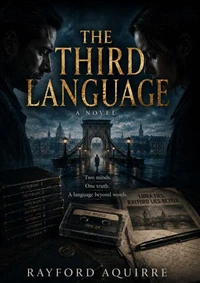
The Third Language
E-book
6,49 €
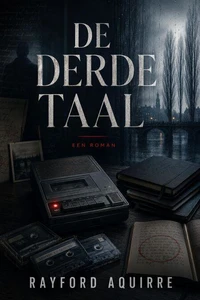
De Derde Taal
E-book
6,49 €



The Court of Lost Faces
E-book
6,49 €