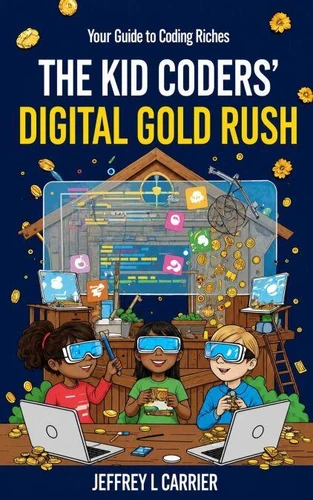
The oak tree in Chloe's backyard is eighty years old, and it's dying. A fungal infection, invisible from the outside, has been working through the roots all spring. An arborist has given it a deadline: treatment must happen before the end of August, or the tree is gone. And if the tree goes, the treehouse goes with it, the one with the loose boards and the plank table and the window that never quite latches, the one four kids have been climbing into since they were eight years old.
The treatment costs eight hundred dollars. They have fifty-six. Alex, Maya, Ben, and Chloe have eleven weeks and one plan: go digital. Chloe will open an art shop, forest spirits and dragons, digital downloads, sold to strangers on the internet. Ben will build Critter Collector, a creature-catching game he's been designing in his head for months. Alex and Maya will run a tutoring service for students who need help with homework, real help, the kind that teaches you to think, not just the kind that tells you the answer.
None of them have done any of this before. That means learning to code. Learning digital art software. Learning how platforms work, how payments work, how people find something new when the whole internet is competing for their attention. It means debugging at midnight, questioning whether any of it will work, and sitting in a treehouse one evening asking out loud the question nobody wanted to say: what if we don't make it?Digital Gold Rush is about what four kids build in one summer, not just the businesses, but the skills, the courage, and the understanding of what it actually means to make something and put it into the world.
It's about a game mechanic that finally works after four hours of debugging. About clicking publish and being too scared to look. About a tutoring session where the student finally stops asking for the answer and starts asking for the method. And it's about an eighty-year-old oak tree that deserves to stand for eighty more. For readers ages 8-12. Kids Future Fund Fiction, Book 1.
The oak tree in Chloe's backyard is eighty years old, and it's dying. A fungal infection, invisible from the outside, has been working through the roots all spring. An arborist has given it a deadline: treatment must happen before the end of August, or the tree is gone. And if the tree goes, the treehouse goes with it, the one with the loose boards and the plank table and the window that never quite latches, the one four kids have been climbing into since they were eight years old.
The treatment costs eight hundred dollars. They have fifty-six. Alex, Maya, Ben, and Chloe have eleven weeks and one plan: go digital. Chloe will open an art shop, forest spirits and dragons, digital downloads, sold to strangers on the internet. Ben will build Critter Collector, a creature-catching game he's been designing in his head for months. Alex and Maya will run a tutoring service for students who need help with homework, real help, the kind that teaches you to think, not just the kind that tells you the answer.
None of them have done any of this before. That means learning to code. Learning digital art software. Learning how platforms work, how payments work, how people find something new when the whole internet is competing for their attention. It means debugging at midnight, questioning whether any of it will work, and sitting in a treehouse one evening asking out loud the question nobody wanted to say: what if we don't make it?Digital Gold Rush is about what four kids build in one summer, not just the businesses, but the skills, the courage, and the understanding of what it actually means to make something and put it into the world.
It's about a game mechanic that finally works after four hours of debugging. About clicking publish and being too scared to look. About a tutoring session where the student finally stops asking for the answer and starts asking for the method. And it's about an eighty-year-old oak tree that deserves to stand for eighty more. For readers ages 8-12. Kids Future Fund Fiction, Book 1.


 , qui est-ce ?