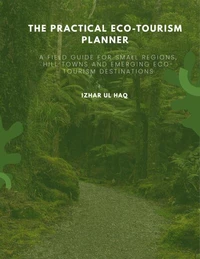
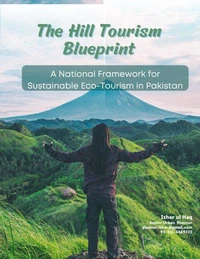
Tourism is often seen as a simple exchange: travelers arrive, spend money, and depart with memories. Yet beneath this surface lies a complex system that can either uplift communities or overwhelm them. Without foresight, tourism growth creates chaos-haphazard construction, traffic congestion, waste mismanagement, and environmental degradation. With planning, however, tourism becomes a catalyst for prosperity, cultural preservation, and ecological stewardship.
This book explores that critical difference. It traces the evolution of tourism accommodation beyond traditional hotels, examines the ripple effects on local economies, and highlights the dangers of unregulated growth. It then introduces the tourism master plan-a blueprint that integrates zoning, infrastructure, environmental safeguards, and community participation into a coherent strategy. Each chapter builds on the last, showing how planning transforms tourism from a fragmented industry into a sustainable system.
Drawing on vivid examples from Pakistan, the narrative highlights both opportunities and risks. From the forests and rivers of Kotli Sattian in Murree District to the lakes and salt range landscapes of the Soon-Sakesar Valleys in Khushab, to the Mughal heritage of Lahore and the peaks of the Northern Areas, the country holds immense promise. Yet this promise will only be realized if development is guided by comprehensive planning that protects fragile ecosystems, empowers communities, and creates lasting value.
The book is both a warning and a call to action. It warns of the dangers of unchecked tourism growth, and it calls for disciplined, inclusive planning that ensures tourism becomes a pillar of sustainable development. Readers will see that tourism is not just about destinations-it is about designing futures. Written by a senior urban planning consultant and nonfiction author, the work blends professional insight with accessible language.
It explains concepts such as zoning, infrastructure integration, ecological safeguards, and eco-tourism design standards in practical terms, showing how they work together to create order out of chaos. It emphasizes the role of communities, demonstrating how stewardship and participation transform tourism from an external imposition into a locally owned opportunity. Whether you are a policymaker, professional, student, or traveler, this book offers a framework for understanding tourism as a system rather than a collection of attractions.
It challenges the misconception that building a few resorts or monuments is enough, and instead presents tourism as an interconnected ecosystem requiring foresight, regulation, and community engagement. By adopting comprehensive planning from the outset, destinations can leapfrog common mistakes and build tourism systems that generate long-term prosperity. The closing chapter calls on policymakers, investors, and communities to embrace master planning as the foundation of sustainable tourism.
Concise, focused, and deeply relevant, this book is a guide for anyone who believes tourism should enrich rather than exploit, preserve rather than degrade, and empower rather than displace. It shows that tourism, when planned responsibly, is not just about leisure-it is about shaping futures.
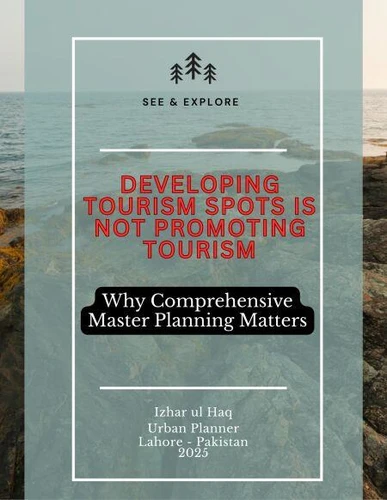
Tourism is often seen as a simple exchange: travelers arrive, spend money, and depart with memories. Yet beneath this surface lies a complex system that can either uplift communities or overwhelm them. Without foresight, tourism growth creates chaos-haphazard construction, traffic congestion, waste mismanagement, and environmental degradation. With planning, however, tourism becomes a catalyst for prosperity, cultural preservation, and ecological stewardship.
This book explores that critical difference. It traces the evolution of tourism accommodation beyond traditional hotels, examines the ripple effects on local economies, and highlights the dangers of unregulated growth. It then introduces the tourism master plan-a blueprint that integrates zoning, infrastructure, environmental safeguards, and community participation into a coherent strategy. Each chapter builds on the last, showing how planning transforms tourism from a fragmented industry into a sustainable system.
Drawing on vivid examples from Pakistan, the narrative highlights both opportunities and risks. From the forests and rivers of Kotli Sattian in Murree District to the lakes and salt range landscapes of the Soon-Sakesar Valleys in Khushab, to the Mughal heritage of Lahore and the peaks of the Northern Areas, the country holds immense promise. Yet this promise will only be realized if development is guided by comprehensive planning that protects fragile ecosystems, empowers communities, and creates lasting value.
The book is both a warning and a call to action. It warns of the dangers of unchecked tourism growth, and it calls for disciplined, inclusive planning that ensures tourism becomes a pillar of sustainable development. Readers will see that tourism is not just about destinations-it is about designing futures. Written by a senior urban planning consultant and nonfiction author, the work blends professional insight with accessible language.
It explains concepts such as zoning, infrastructure integration, ecological safeguards, and eco-tourism design standards in practical terms, showing how they work together to create order out of chaos. It emphasizes the role of communities, demonstrating how stewardship and participation transform tourism from an external imposition into a locally owned opportunity. Whether you are a policymaker, professional, student, or traveler, this book offers a framework for understanding tourism as a system rather than a collection of attractions.
It challenges the misconception that building a few resorts or monuments is enough, and instead presents tourism as an interconnected ecosystem requiring foresight, regulation, and community engagement. By adopting comprehensive planning from the outset, destinations can leapfrog common mistakes and build tourism systems that generate long-term prosperity. The closing chapter calls on policymakers, investors, and communities to embrace master planning as the foundation of sustainable tourism.
Concise, focused, and deeply relevant, this book is a guide for anyone who believes tourism should enrich rather than exploit, preserve rather than degrade, and empower rather than displace. It shows that tourism, when planned responsibly, is not just about leisure-it is about shaping futures.

 , qui est-ce ?