Sofia Lane is a nonfiction author known for writing thoughtful books on emotional resilience, self-growth, modern relationships, and finding meaning in everyday life. Her calm and reflective writing style combines psychology, philosophy, and practical insight to help readers navigate life with greater clarity, balance, and self-awareness.
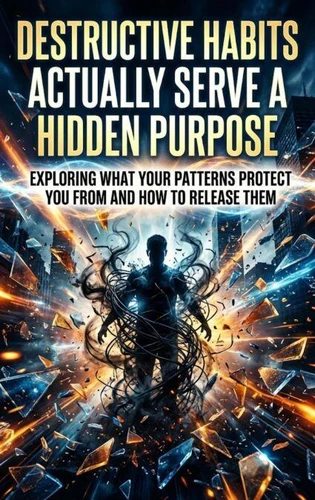
Destructive Habits Actually Serve a Hidden Purpose. Exploring What Your Patterns Protect You From and How to Release Them
Par :Formats :
Disponible dans votre compte client Decitre ou Furet du Nord dès validation de votre commande. Le format ePub est :
- Compatible avec une lecture sur My Vivlio (smartphone, tablette, ordinateur)
- Compatible avec une lecture sur liseuses Vivlio
- Pour les liseuses autres que Vivlio, vous devez utiliser le logiciel Adobe Digital Edition. Non compatible avec la lecture sur les liseuses Kindle, Remarkable et Sony
 , qui est-ce ?
Notre partenaire de plateforme de lecture numérique où vous retrouverez l'ensemble de vos ebooks gratuitement
Pour en savoir plus sur nos ebooks, consultez notre aide en ligne ici
C'est si simple ! Lisez votre ebook avec l'app Vivlio sur votre tablette, mobile ou ordinateur :

- Nombre de pages193
- FormatePub
- ISBN978-3-565-23669-5
- EAN9783565236695
- Date de parution11/02/2026
- Protection num.pas de protection
- Taille2 Mo
- Infos supplémentairesepub
- ÉditeurEmphaloz Publishing House
Résumé
This book examines the psychological function behind habits we label as destructive-patterns we wish would disappear but somehow keep returning. It explores why conventional approaches to "breaking" habits often fail, and what this failure reveals about the deeper needs these behaviors fulfill.
Rather than treating destructive habits as enemies to overcome, this book reframes them as adaptive strategies that once made sense, even if they no longer serve us.
It investigates the emotional logic behind repetitive behaviors, the role of shame in perpetuating cycles, and why willpower alone cannot address what these patterns are trying to communicate. Through compassionate inquiry, the book navigates the difference between genuine release and suppression, between understanding a habit's origin and becoming trapped in analysis. It offers insight into recognizing the conditions under which destructive patterns emerge, what they protect us from feeling, and how to create space for alternative responses without demanding immediate perfection. This is an invitation to approach your most persistent struggles with curiosity instead of judgment, to understand resistance as information rather than failure, and to discover what becomes possible when you stop fighting yourself and start listening.
It investigates the emotional logic behind repetitive behaviors, the role of shame in perpetuating cycles, and why willpower alone cannot address what these patterns are trying to communicate. Through compassionate inquiry, the book navigates the difference between genuine release and suppression, between understanding a habit's origin and becoming trapped in analysis. It offers insight into recognizing the conditions under which destructive patterns emerge, what they protect us from feeling, and how to create space for alternative responses without demanding immediate perfection. This is an invitation to approach your most persistent struggles with curiosity instead of judgment, to understand resistance as information rather than failure, and to discover what becomes possible when you stop fighting yourself and start listening.
A propos de Sofia Lane

4,49 €