
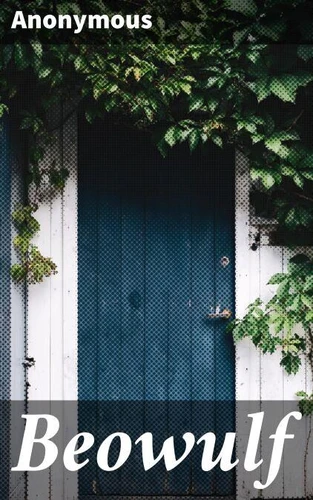
Beowulf. An Epic Tale of Heroism and Evil in Old English Literature
Par : ,Formats :
Disponible dans votre compte client Decitre ou Furet du Nord dès validation de votre commande. Le format ePub est :
- Compatible avec une lecture sur My Vivlio (smartphone, tablette, ordinateur)
- Compatible avec une lecture sur liseuses Vivlio
- Pour les liseuses autres que Vivlio, vous devez utiliser le logiciel Adobe Digital Edition. Non compatible avec la lecture sur les liseuses Kindle, Remarkable et Sony
 , qui est-ce ?
Notre partenaire de plateforme de lecture numérique où vous retrouverez l'ensemble de vos ebooks gratuitement
Pour en savoir plus sur nos ebooks, consultez notre aide en ligne ici
C'est si simple ! Lisez votre ebook avec l'app Vivlio sur votre tablette, mobile ou ordinateur :

- Nombre de pages161
- FormatePub
- ISBN4057664117366
- EAN4057664117366
- Date de parution19/11/2019
- Protection num.Digital Watermarking
- Taille574 Ko
- Infos supplémentairesepub
- ÉditeurGOOD PRESS
Résumé
"Beowulf, " an anonymous Old English epic poem, is a cornerstone of medieval literature that delves into themes of heroism, mortality, and the struggle between good and evil. Composed between the 8th and 11th centuries, this narrative is renowned for its alliterative verse and vivid imagery, situating itself in the context of a warrior culture grappling with both pagan traditions and emerging Christian values.
The poem recounts the legendary feats of its titular hero, Beowulf, as he battles the monstrous Grendel, Grendel's mother, and a fearsome dragon, encapsulating the virtues of bravery, loyalty, and honor within a richly textured mythic landscape. The origins of "Beowulf" remain shrouded in mystery; however, its author, most likely a scholar or monk, captured the zeitgeist of his time'Äîthe precarious interplay between Norse mythology and Christian ethics.
Scholars suggest that the poem reflects the poet's desire to preserve a fading oral tradition, merging history and legend while illustrating the ideal qualities of a hero in a tumultuous era. "Beowulf" is a must-read for anyone interested in the roots of English literature, epic poetry, or the cultural history of the medieval period. Its enduring themes and compelling narrative continue to resonate, making it an indispensable exploration of human nature and valor that enriches our understanding of the literary canon.
The poem recounts the legendary feats of its titular hero, Beowulf, as he battles the monstrous Grendel, Grendel's mother, and a fearsome dragon, encapsulating the virtues of bravery, loyalty, and honor within a richly textured mythic landscape. The origins of "Beowulf" remain shrouded in mystery; however, its author, most likely a scholar or monk, captured the zeitgeist of his time'Äîthe precarious interplay between Norse mythology and Christian ethics.
Scholars suggest that the poem reflects the poet's desire to preserve a fading oral tradition, merging history and legend while illustrating the ideal qualities of a hero in a tumultuous era. "Beowulf" is a must-read for anyone interested in the roots of English literature, epic poetry, or the cultural history of the medieval period. Its enduring themes and compelling narrative continue to resonate, making it an indispensable exploration of human nature and valor that enriches our understanding of the literary canon.
A propos de Anonymous
Pistis Sophia
E-book
1,99 €
1,99 €
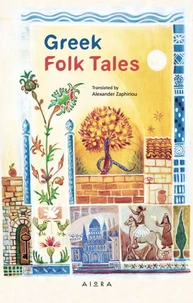
Greek Folk Tales
E-book
8,99 €
The Bhagavad Gita
E-book
0,49 €
0,49 €
The Dhammapada
E-book
0,49 €
The Upanishads
E-book
0,49 €
The Rig Veda
E-book
0,49 €
Sophie Jewett
E-book
0,49 €
Clements Markham
E-book
0,49 €
0,49 €
The London Prodigal
E-book
0,49 €
Arden of Faversham
E-book
0,49 €
Mucedorus
E-book
0,49 €
Unvoiced Feelings
E-book
2,99 €
Lazarillo de Tormes
E-book
0,49 €
Black Dreams
E-book
6,49 €

0,99 €
