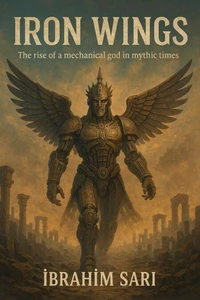
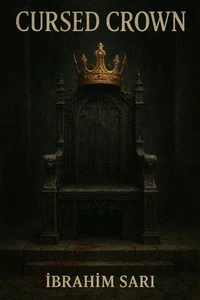
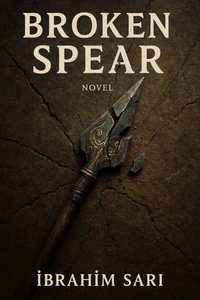
Ashen Wings is a novel about a city that chooses tools over spectacle, neighbors over omens, and repair over punishment. Before two fallen beings-Vaelen and Lys-descend over Calderum with sorrow hot enough to scar the sky, the city already speaks in instruments: horns that try to become laws, mirrors that pretend to be truth, seals that stand in for consent. What happens next is not prophecy, but practice.
In Calderum, grandeur is dismantled into furniture. Decrees turn into benches, ceremonies into tables, oaths into simple promises. Power becomes visible, time-boxed, and shared: windows instead of permits, schedules instead of hierarchies, blue string instead of seals. Every chapter follows the same quiet grammar-two voices, small rooms, and the stubborn belief that kindness is a craft. The citizens who gather around the fallen are not heroes in the usual sense.
Suna organizes; Maedra builds; Ishara edits hunger into honesty; Qorim, Sarad, Thais, Orun, and Garel Nin give the city its practical miracles: maps, rests, ledgers, bread. Together, they refuse spectacle, insisting that justice fits in a chair and that communities survive through clarity, consent, and shared labor. Ashen Wings can be read as a novel of people repairing their world one room at a time-or as a manual for those who prefer benches to stages and windows to paperwork.
It is a story about civic imagination, quiet rebellion, and the magic that lives in ordinary decency. If you carry anything away, let it be four lines:A city is rooms; keep the lintel small and strong. Names are for use; truth sleeps under linen. Receipts outlive speeches; windows outlast permits. Bread before everything.
Ashen Wings is a novel about a city that chooses tools over spectacle, neighbors over omens, and repair over punishment. Before two fallen beings-Vaelen and Lys-descend over Calderum with sorrow hot enough to scar the sky, the city already speaks in instruments: horns that try to become laws, mirrors that pretend to be truth, seals that stand in for consent. What happens next is not prophecy, but practice.
In Calderum, grandeur is dismantled into furniture. Decrees turn into benches, ceremonies into tables, oaths into simple promises. Power becomes visible, time-boxed, and shared: windows instead of permits, schedules instead of hierarchies, blue string instead of seals. Every chapter follows the same quiet grammar-two voices, small rooms, and the stubborn belief that kindness is a craft. The citizens who gather around the fallen are not heroes in the usual sense.
Suna organizes; Maedra builds; Ishara edits hunger into honesty; Qorim, Sarad, Thais, Orun, and Garel Nin give the city its practical miracles: maps, rests, ledgers, bread. Together, they refuse spectacle, insisting that justice fits in a chair and that communities survive through clarity, consent, and shared labor. Ashen Wings can be read as a novel of people repairing their world one room at a time-or as a manual for those who prefer benches to stages and windows to paperwork.
It is a story about civic imagination, quiet rebellion, and the magic that lives in ordinary decency. If you carry anything away, let it be four lines:A city is rooms; keep the lintel small and strong. Names are for use; truth sleeps under linen. Receipts outlive speeches; windows outlast permits. Bread before everything.



 , qui est-ce ?