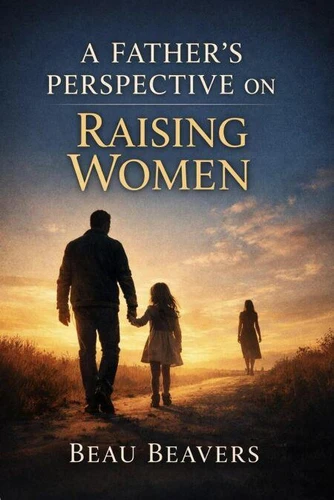
Synopsis - A Father's Perspective on Raising WomenBy Beau BeaversA Father's Perspective on Raising Women is a reflective and deeply personal exploration of fatherhood, femininity, protection, independence, and the responsibility fathers carry in shaping the next generation of women. Written from the perspective of a father raising daughters in a rapidly changing world, the book examines how modern parenting, culture, relationships, and personal values influence the development of young women long before adulthood begins.
Drawing from personal experience as a father, coach, educator, and mentor, Beau Beavers explores the unique role fathers play in building confidence, emotional security, self-respect, resilience, and standards in their daughters' lives. Rather than approaching fatherhood through sentimentality alone, the book presents a practical and emotionally grounded perspective on what young women truly need from strong male leadership and consistent parental guidance.
At its core, the book argues that fathers help shape how daughters see themselves, how they expect to be treated, and what they will eventually tolerate in relationships, work, and life. Beavers examines the balance between protection and preparation, emphasizing that raising strong women is not about controlling them, but about equipping them with confidence, boundaries, emotional intelligence, accountability, and the ability to navigate the world independently.
Throughout the book, Beavers reflects on the differences between raising boys and girls, the importance of standards and discipline, and the growing cultural pressures facing young women today. Topics include self-worth, dating, social media, independence, emotional resilience, modern femininity, respect, accountability, and the long-term impact of father presence-or absence. Blending personal stories, parenting philosophy, cultural commentary, and practical insight, A Father's Perspective on Raising Women challenges both fathers and society to rethink what true preparation looks like for girls entering adulthood.
Beavers argues that daughters do not simply need praise or protection-they need guidance, structure, honesty, and fathers willing to model integrity, consistency, and respect. The book also explores broader themes surrounding modern parenting and generational change, including the tension between empowerment and responsibility, comfort and resilience, and emotional support versus overprotection. Beavers presents a balanced argument that confidence is not built through constant reassurance alone, but through challenge, accountability, and learning to overcome adversity.
Written in a direct, conversational voice, the book will appeal to fathers, parents, educators, coaches, mentors, and readers interested in parenting, family dynamics, masculinity, personal development, and modern culture. Its blend of heartfelt reflection and practical wisdom positions it as both a parenting guide and a broader conversation about the values families pass on to future generations.
Ultimately, A Father's Perspective on Raising Women is about legacy. It asks fathers to consider not only how they love their daughters, but how they prepare them for the realities of life, relationships, and adulthood. Because raising a woman is not simply about protecting a child. It is about preparing a future adult to know her worth, stand on her own, and expect respect from the world around her.
Synopsis - A Father's Perspective on Raising WomenBy Beau BeaversA Father's Perspective on Raising Women is a reflective and deeply personal exploration of fatherhood, femininity, protection, independence, and the responsibility fathers carry in shaping the next generation of women. Written from the perspective of a father raising daughters in a rapidly changing world, the book examines how modern parenting, culture, relationships, and personal values influence the development of young women long before adulthood begins.
Drawing from personal experience as a father, coach, educator, and mentor, Beau Beavers explores the unique role fathers play in building confidence, emotional security, self-respect, resilience, and standards in their daughters' lives. Rather than approaching fatherhood through sentimentality alone, the book presents a practical and emotionally grounded perspective on what young women truly need from strong male leadership and consistent parental guidance.
At its core, the book argues that fathers help shape how daughters see themselves, how they expect to be treated, and what they will eventually tolerate in relationships, work, and life. Beavers examines the balance between protection and preparation, emphasizing that raising strong women is not about controlling them, but about equipping them with confidence, boundaries, emotional intelligence, accountability, and the ability to navigate the world independently.
Throughout the book, Beavers reflects on the differences between raising boys and girls, the importance of standards and discipline, and the growing cultural pressures facing young women today. Topics include self-worth, dating, social media, independence, emotional resilience, modern femininity, respect, accountability, and the long-term impact of father presence-or absence. Blending personal stories, parenting philosophy, cultural commentary, and practical insight, A Father's Perspective on Raising Women challenges both fathers and society to rethink what true preparation looks like for girls entering adulthood.
Beavers argues that daughters do not simply need praise or protection-they need guidance, structure, honesty, and fathers willing to model integrity, consistency, and respect. The book also explores broader themes surrounding modern parenting and generational change, including the tension between empowerment and responsibility, comfort and resilience, and emotional support versus overprotection. Beavers presents a balanced argument that confidence is not built through constant reassurance alone, but through challenge, accountability, and learning to overcome adversity.
Written in a direct, conversational voice, the book will appeal to fathers, parents, educators, coaches, mentors, and readers interested in parenting, family dynamics, masculinity, personal development, and modern culture. Its blend of heartfelt reflection and practical wisdom positions it as both a parenting guide and a broader conversation about the values families pass on to future generations.
Ultimately, A Father's Perspective on Raising Women is about legacy. It asks fathers to consider not only how they love their daughters, but how they prepare them for the realities of life, relationships, and adulthood. Because raising a woman is not simply about protecting a child. It is about preparing a future adult to know her worth, stand on her own, and expect respect from the world around her.


 , qui est-ce ?