Dernière sortie
Nine Stages of Samatha Meditation
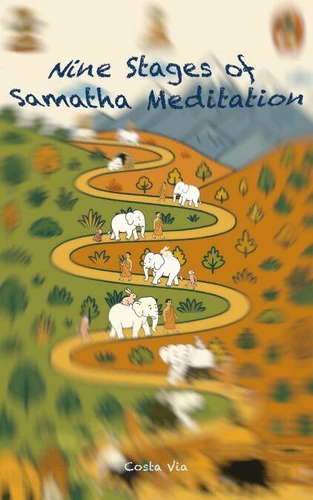
Samatha (shamatha) meditation is the classical Buddhist practice of training the mind toward calm, stable, and vividly clear attention. This book presents the traditional nine-stage path used for centuries across the Tibetan Buddhist tradition to describe that training, illustrated through the well-known elephant-and-monkey imagery that marks each stage's progress from a restless, scattered mind toward one-pointed concentration. Each of the nine stages is explained in plain language: what shifts in the practitioner's experience, what obstacles commonly arise, and which of the six powers and four types of mental engagement apply at that point on the path.
Drawing on classical sources on shamatha practice, the book also covers the five faults and their eight antidotes traditionally taught alongside the nine stages, giving readers both a map of the path and practical tools for working with distraction, dullness, and agitation in seated practice. Written for meditators who already have a sitting practice and want to understand where their own experience fits within this traditional framework, this guide can be read straight through or used as a stage-by-stage reference alongside daily practice.
Drawing on classical sources on shamatha practice, the book also covers the five faults and their eight antidotes traditionally taught alongside the nine stages, giving readers both a map of the path and practical tools for working with distraction, dullness, and agitation in seated practice. Written for meditators who already have a sitting practice and want to understand where their own experience fits within this traditional framework, this guide can be read straight through or used as a stage-by-stage reference alongside daily practice.
Les livres de Costa Via



1,99 €