Dernière sortie
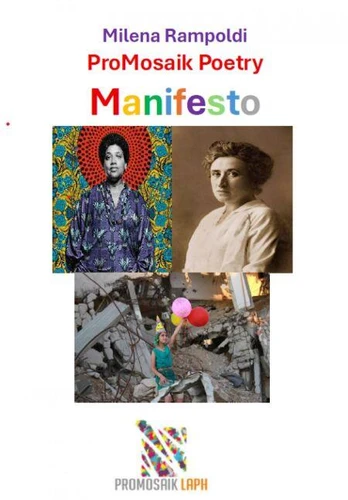
ProMosaik Poetry Manifesto
Il punto di partenza del progetto di ProMosaik Poetry è l'affermazione semplice ed autoesplicativa secondo cui l'arte non è un "lusso". Quindi anche la poesia non lo è.
La poesia fa parte di un'azione socio-politica volta a cambiare la propria persona, il proprio ambiente sociale e il mondo in senso lato. L'idea di base della poesia come "forza per il cambiamento sociale" si ispira alla sociologia musulmana, a partire da Corano 13:11:
"In verità, Allah non modifica la realtà di un popolo, finché esso non muta nel suo intimo."
Questo potenziale di cambiamento, che è latente in ognuno di noi, lo trasferisco con convinzione alla poesia, all'attività poetica, all'espressione poetica e alla poesiaterapia, che può e deve contribuire al miglioramento della propria consapevolezza e del proprio attivismo all'interno della società.
Questa visione etico-attivista dell'estetica e della poesia si rifà pienamente a due donne di grande forza che hanno ispirato in modo essenziale l'impegno di ProMosaik Poetry: da un lato Rosa Luxemburg, che scrisse: "L'arte non è un mezzo di lusso per generare sentimenti di bellezza, di gioia o simili negli animi belli, ma una forma storica importante del rapporto sociale tra gli esseri umani come lo è la lingua." Una seconda fonte di ispirazione è stato il saggio di Audre Lorde intitolato "La poesia non è un lusso", che mostra quanto la poesia determini la nostra vita femminile, contribuendo dunque all'azione e al miglioramento di un mondo che così com'è attualmente non ci piace per niente.
Lorde giustamente, nel suo saggio, propone la seguente affermazione: "For women, then, poetry is not a luxury. It is a vital necessity of our existence. It forms the quality of the light within which we predicate our hopes and dreams toward survival and change, first made into language, then into idea, then into more tangible action." Ci opponiamo radicalmente a qualsiasi visione elitaria della poesia.
La poesia deve essere resa accessibile a tutti.
Questa visione etico-attivista dell'estetica e della poesia si rifà pienamente a due donne di grande forza che hanno ispirato in modo essenziale l'impegno di ProMosaik Poetry: da un lato Rosa Luxemburg, che scrisse: "L'arte non è un mezzo di lusso per generare sentimenti di bellezza, di gioia o simili negli animi belli, ma una forma storica importante del rapporto sociale tra gli esseri umani come lo è la lingua." Una seconda fonte di ispirazione è stato il saggio di Audre Lorde intitolato "La poesia non è un lusso", che mostra quanto la poesia determini la nostra vita femminile, contribuendo dunque all'azione e al miglioramento di un mondo che così com'è attualmente non ci piace per niente.
Lorde giustamente, nel suo saggio, propone la seguente affermazione: "For women, then, poetry is not a luxury. It is a vital necessity of our existence. It forms the quality of the light within which we predicate our hopes and dreams toward survival and change, first made into language, then into idea, then into more tangible action." Ci opponiamo radicalmente a qualsiasi visione elitaria della poesia.
La poesia deve essere resa accessibile a tutti.
Les livres de Milena Rampoldi
Gedichte
E-book
3,99 €



Pro-Mosaik Manifesto
E-book
3,49 €

Le forfait colonial
E-book
3,99 €
Poesie Gedichte
E-book
3,49 €
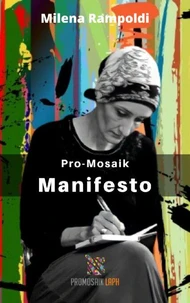
Pro-Mosaik Manifesto
E-book
3,49 €
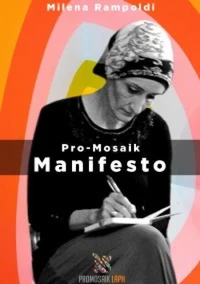
ProMosaik - Manifesto
E-book
4,49 €
2,99 €

2,99 €

Distances - Distanze
E-book
3,49 €

3,99 €