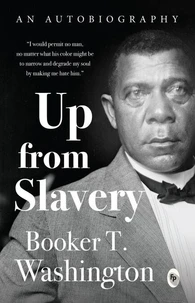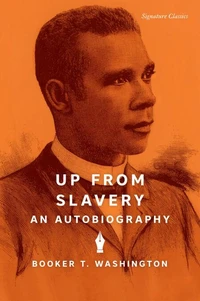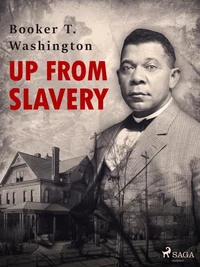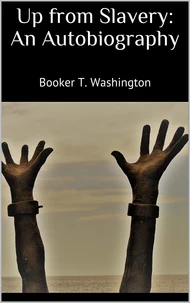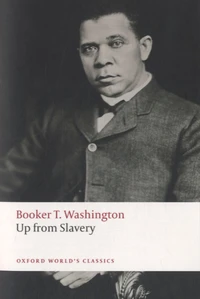
Up from Slavery. by Booker T. Washington
Par :Formats :
- Paiement en ligne :
- Livraison à domicile ou en point Mondial Relay estimée à partir du 7 octobreCet article sera commandé chez un fournisseur et vous sera envoyé 21 jours après la date de votre commande.
- Retrait Click and Collect en magasin gratuit
- Nombre de pages266
- PrésentationBroché
- Poids0.349 kg
- Dimensions14,8 cm × 21,0 cm × 1,5 cm
- ISBN979-10-431-4639-8
- EAN9791043146398
- Date de parution08/04/2026
- ÉditeurCulturea
Résumé
Booker Taliaferro Washington began life as a slave in Virginia shortly before emancipation, but rose to become one of the most celebrated leaders the African American community has ever had. His principal occupation was as president of the Tuskegee Institute, which he founded in 1881, but he earned national renown as an orator, writer and political advisor. His address at the Atlanta Exposition was a pivotal moment in race relations in America.
Washington believed deeply in the dignity of physical labor, and that merit and talent are eventually rewarded regardless of race or class. The Tuskegee Institution was primarily a technical college, and aimed to teach industrial skills in addition to academic training. Students built many of the buildings on the campus, grew the food that was eaten there, and even made the furniture, tools and vehicles used by the school.
Up from Slavery was originally published as a serialized work in The Outlook, a Christian magazine based in New York, before being collected in a single volume in 1901. This edition includes an introduction by Walter H. Page, a future U. S. ambassador to the United Kingdom.
Washington believed deeply in the dignity of physical labor, and that merit and talent are eventually rewarded regardless of race or class. The Tuskegee Institution was primarily a technical college, and aimed to teach industrial skills in addition to academic training. Students built many of the buildings on the campus, grew the food that was eaten there, and even made the furniture, tools and vehicles used by the school.
Up from Slavery was originally published as a serialized work in The Outlook, a Christian magazine based in New York, before being collected in a single volume in 1901. This edition includes an introduction by Walter H. Page, a future U. S. ambassador to the United Kingdom.