SOLDES
Jusqu'à -70% sur une sélection d'articles*


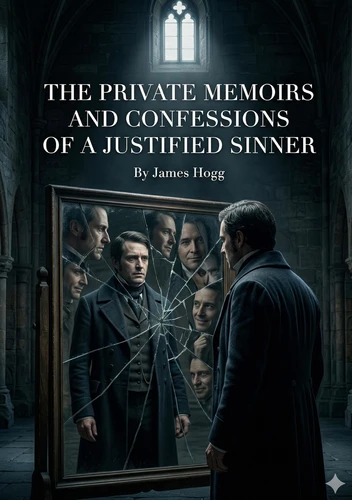
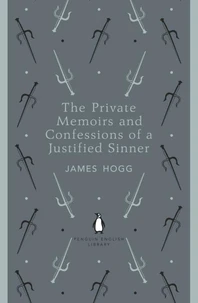
The Private Memoirs and Confessions of a Justified Sinner. by James Hogg
Par :Formats :
- Paiement en ligne :
- Livraison à domicile ou en point Mondial Relay estimée à partir du 29 juilletCet article sera commandé chez un fournisseur et vous sera envoyé 21 jours après la date de votre commande.
- Retrait Click and Collect en magasin gratuit
- Livraison à domicile ou en point Mondial Relay estimée à partir du 29 juillet
- Réservation en ligne avec paiement en magasin :
- Indisponible pour réserver et payer en magasin
- Nombre de pages278
- PrésentationBroché
- Poids0.364 kg
- Dimensions14,8 cm × 21,0 cm × 1,5 cm
- ISBN979-10-431-4518-6
- EAN9791043145186
- Date de parution02/04/2026
- ÉditeurCulturea
Résumé
The "sinner" in this engrossing and strange novel is Robert Wringham, the son of a Scottish laird and a much more religious mother, who quickly separates from her free-living husband under the encouragement of an influential minister. When it's time to be baptized, Robert takes the preacher's last name, and a bit later the reverend decides that Robert is also one of God's chosen. Robert believes that as a member of the elect he can never be damned, no matter what he does.
One day Robert becomes fast friends with a man with mysterious powers and a strange name. This Gil-Martin takes on the appearance of different people, and can even learn their "most secret thoughts". He's also good at arguing Scripture-and capitalizing on Robert's pride, and other faults. Soon they're scheming together to get the better of their enemies-and their plans include murder. The Private Memoirs and Confessions of a Justified Sinner was a failure when it was first published anonymously in 1824, though it was ahead of its time in its blend of mystery, psychological horror, tall tales, comedy, metafiction, and social criticism.
It was only in the twentieth century that it became more broadly known, gaining admirers that included the writers André Gide, Muriel Spark, Philip Pullman, and Ian Rankin.
One day Robert becomes fast friends with a man with mysterious powers and a strange name. This Gil-Martin takes on the appearance of different people, and can even learn their "most secret thoughts". He's also good at arguing Scripture-and capitalizing on Robert's pride, and other faults. Soon they're scheming together to get the better of their enemies-and their plans include murder. The Private Memoirs and Confessions of a Justified Sinner was a failure when it was first published anonymously in 1824, though it was ahead of its time in its blend of mystery, psychological horror, tall tales, comedy, metafiction, and social criticism.
It was only in the twentieth century that it became more broadly known, gaining admirers that included the writers André Gide, Muriel Spark, Philip Pullman, and Ian Rankin.
A propos de James Hogg

10,99 €