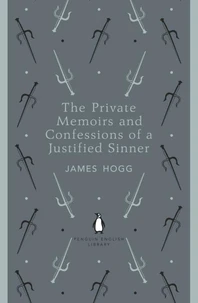
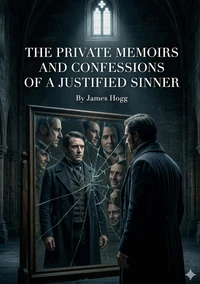
A comic and terrifying novel about a man haunted by the Devil in the form of his own evil double. James Hogg (1770-1835) was a Scottish poet, novelist, and farmer whose work was discovered by Sir Walter Scott and admired by writers as different as Wordsworth and Byron. His most famous book, Confessions of a Justified Sinner, published in 1824 and set in seventeenth-century Scotland, is a vivid exploration of fanaticism and the power of evil.
The novel's anti-hero, a young man named Robert Wringhim, falls under the influence of an enigmatic, shape-shifting companion, Gil-Martin, who convinces him that he is one of God's chosen few and thus justified even in committing murder. Robert begins by focusing his murderous intentions on his more worldly and popular half-brother, the son of the Laird of Dalcastle, but before long he is besieged by doubts about his beliefs and even his own identity.
Anticipating Dostoevsky's great dramas of sin, self-accusation, and damnation by half a century, Hogg's masterpiece employs a comparable combination of black comedy, bitter realism, and colorful narrative sweep. With an introduction by Roger Lewis.
A comic and terrifying novel about a man haunted by the Devil in the form of his own evil double. James Hogg (1770-1835) was a Scottish poet, novelist, and farmer whose work was discovered by Sir Walter Scott and admired by writers as different as Wordsworth and Byron. His most famous book, Confessions of a Justified Sinner, published in 1824 and set in seventeenth-century Scotland, is a vivid exploration of fanaticism and the power of evil.
The novel's anti-hero, a young man named Robert Wringhim, falls under the influence of an enigmatic, shape-shifting companion, Gil-Martin, who convinces him that he is one of God's chosen few and thus justified even in committing murder. Robert begins by focusing his murderous intentions on his more worldly and popular half-brother, the son of the Laird of Dalcastle, but before long he is besieged by doubts about his beliefs and even his own identity.
Anticipating Dostoevsky's great dramas of sin, self-accusation, and damnation by half a century, Hogg's masterpiece employs a comparable combination of black comedy, bitter realism, and colorful narrative sweep. With an introduction by Roger Lewis.

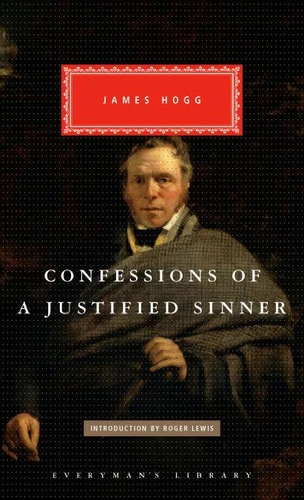

 , qui est-ce ?