

Prix Nobel de Littérature
Individu et communauté (Spinoza - Warthon - Eschyl
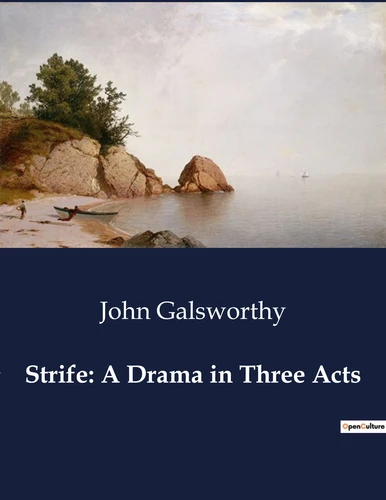
Strife: A Drama in Three Acts. A Study of Industrial Conflict and Human Resilience
Par : Formats :
- Paiement en ligne :
- Livraison à domicile ou en point Mondial Relay estimée à partir du 16 septembreCet article sera commandé chez un fournisseur et vous sera envoyé 21 jours après la date de votre commande.
- Retrait Click and Collect en magasin gratuit
- Nombre de pages84
- PrésentationBroché
- Poids0.147 kg
- Dimensions17,0 cm × 22,0 cm × 0,5 cm
- ISBN979-10-419-9690-2
- EAN9791041996902
- Date de parution19/04/2024
- ÉditeurCulturea
Résumé
"Strife : A Drama in Three Acts" by John Galsworthy is a compelling exploration of industrial conflict set against the backdrop of a tin plate works strike on the border of England and Wales. The play unfolds over a single day, February 7th, and delves into the complex dynamics between the company's board of directors and the striking workers. The central conflict revolves around John Anthony, the resolute chairman of the Trenartha Tin Plate Works, and David Roberts, the fervent leader of the workers.
Anthony is portrayed as a staunch defender of capitalist principles, unwilling to yield to the workers' demands, while Roberts embodies the workers' struggle for fair wages and better working conditions. The narrative is driven by intense dialogues that reveal the personal and ideological stakes for both sides. The directors, including Anthony's son Edgar and other board members like Wilder and Scantlebury, are depicted as divided in their approach, with some advocating for compromise and others supporting Anthony's hardline stance.
The workers, represented by Roberts and his committee, are shown as desperate yet determined, willing to endure severe hardship rather than capitulate. Galsworthy's play is not just a depiction of a labor dispute but a broader commentary on the social and economic divides of the time. It highlights the human cost of industrial strife, as seen through the suffering of the workers' families, particularly in the character of Annie Roberts, who is caught between her loyalty to her husband and the dire conditions they face.
The play ends without a clear resolution, reflecting the ongoing nature of such conflicts and leaving the audience to ponder the complexities of justice, power, and human dignity.
Anthony is portrayed as a staunch defender of capitalist principles, unwilling to yield to the workers' demands, while Roberts embodies the workers' struggle for fair wages and better working conditions. The narrative is driven by intense dialogues that reveal the personal and ideological stakes for both sides. The directors, including Anthony's son Edgar and other board members like Wilder and Scantlebury, are depicted as divided in their approach, with some advocating for compromise and others supporting Anthony's hardline stance.
The workers, represented by Roberts and his committee, are shown as desperate yet determined, willing to endure severe hardship rather than capitulate. Galsworthy's play is not just a depiction of a labor dispute but a broader commentary on the social and economic divides of the time. It highlights the human cost of industrial strife, as seen through the suffering of the workers' families, particularly in the character of Annie Roberts, who is caught between her loyalty to her husband and the dire conditions they face.
The play ends without a clear resolution, reflecting the ongoing nature of such conflicts and leaving the audience to ponder the complexities of justice, power, and human dignity.
A propos de John Galsworthy
8,95 €
12,00 €

12,00 €
12,00 €
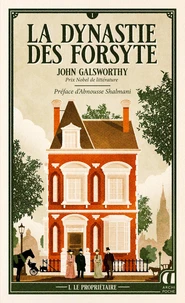
10,50 €
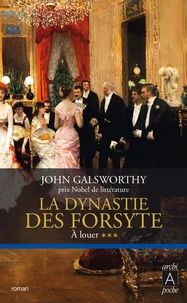

1,28 €
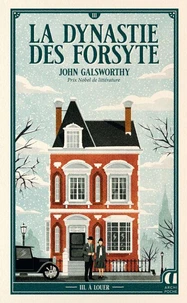
8,99 €
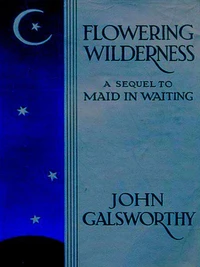
Flowering Wilderness
E-book
0,99 €
Justice
E-book
9,99 €
A Modern Comedy
E-book
0,99 €
Hommage à Joseph Conrad
E-book
12,99 €
The Country House (Unabridged)
Audiobook
5,49 €

Indian Summer
E-book
5,99 €