

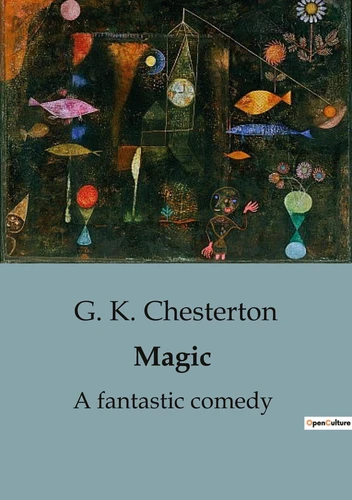
Magic. The Historical and Cultural Context of Witchcraft and Magic
Par :Formats :
- Paiement en ligne :
- Livraison à domicile ou en point Mondial Relay estimée à partir du 9 septembreCet article sera commandé chez un fournisseur et vous sera envoyé 21 jours après la date de votre commande.
- Retrait Click and Collect en magasin gratuit
- Réservation en ligne avec paiement en magasin :
- Indisponible pour réserver et payer en magasin
- Nombre de pages50
- PrésentationBroché
- Poids0.079 kg
- Dimensions14,8 cm × 21,0 cm × 0,3 cm
- ISBN979-10-418-1753-5
- EAN9791041817535
- Date de parution22/06/2023
- ÉditeurCulturea
Résumé
The text explores the historical and cultural context of witchcraft and magic, focusing on the widespread belief in and persecution of witches throughout history. It begins with a discussion of the biblical account of King Saul consulting a woman with a familiar spirit, highlighting the ancient practice of necromancy. The narrative then shifts to the Middle Ages and the Renaissance, periods marked by intense fear and persecution of witches, often fueled by religious and political motives.
The infamous Malleus Maleficarum, a guide for identifying and prosecuting witches, is mentioned as a significant influence on witch trials. The text also examines the role of women in witchcraft accusations, noting that societal views often portrayed them as more susceptible to demonic influence. Various methods of identifying witches, such as searching for witches' marks and the practice of "swimming" witches, are described.
The text further delves into the phenomenon of the witches' sabbath, a supposed gathering of witches to worship the devil, which was often a product of vivid imaginations and societal hysteria. The narrative concludes by discussing the eventual decline of witch trials and the shift towards a more rational understanding of such phenomena, although sporadic cases persisted into the 18th century. The text underscores the complex interplay of fear, superstition, and societal dynamics in the historical treatment of witchcraft.
The infamous Malleus Maleficarum, a guide for identifying and prosecuting witches, is mentioned as a significant influence on witch trials. The text also examines the role of women in witchcraft accusations, noting that societal views often portrayed them as more susceptible to demonic influence. Various methods of identifying witches, such as searching for witches' marks and the practice of "swimming" witches, are described.
The text further delves into the phenomenon of the witches' sabbath, a supposed gathering of witches to worship the devil, which was often a product of vivid imaginations and societal hysteria. The narrative concludes by discussing the eventual decline of witch trials and the shift towards a more rational understanding of such phenomena, although sporadic cases persisted into the 18th century. The text underscores the complex interplay of fear, superstition, and societal dynamics in the historical treatment of witchcraft.
A propos de G. K. Chesterton

0,99 €
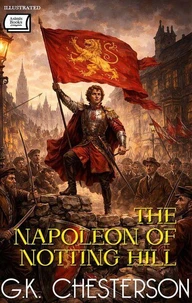
0,99 €
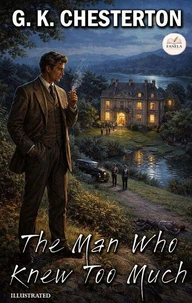
0,99 €

4,99 €
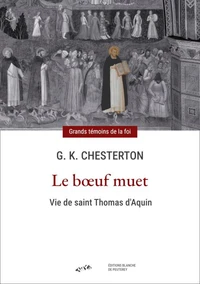
Le bœuf muet
E-book
3,49 €
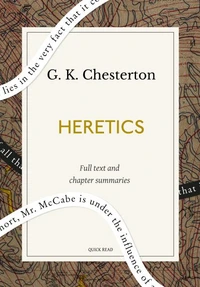
4,99 €

4,99 €

4,99 €
1,99 €
Le Nommé Jeudi
E-book
0,99 €

4,99 €

L'osteria volante
E-book
5,99 €
5,99 €

2,99 €

5,99 €