

Individu et communauté (Spinoza - Warthon - Eschyl
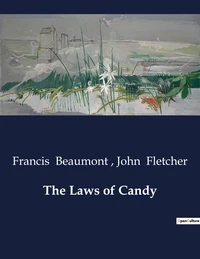
Beaumont & Fletcher's Works. A Study of Power, Honor, and Familial Conflict in "The Laws of Candy"
Par : Formats :
- Paiement en ligne :
- Livraison à domicile ou en point Mondial Relay estimée à partir du 8 septembreCet article sera commandé chez un fournisseur et vous sera envoyé 21 jours après la date de votre commande.
- Retrait Click and Collect en magasin gratuit
- Réservation en ligne avec paiement en magasin :
- Indisponible pour réserver et payer en magasin
- Nombre de pages108
- PrésentationBroché
- Poids0.182 kg
- Dimensions17,0 cm × 22,0 cm × 0,6 cm
- ISBN979-10-419-8967-6
- EAN9791041989676
- Date de parution27/03/2024
- ÉditeurCulturea
Résumé
"The Laws of Candy" is a tragi-comedy by Francis Beaumont and John Fletcher that explores themes of power, honor, and familial conflict. Set in the island of Candy, the play opens with a discussion between Gaspero and Melitus about the political and military tensions in the region. The Venetian forces have been defeated, and a dispute arises over who should be credited with the victory : the seasoned general Cassilanes or his son Antinous.
The Senate must decide who deserves the honor, as both father and son present their cases. Cassilanes, a veteran soldier, argues that his long service and transformation were gradual changes, while Antinous claims his actions on the battlefield were decisive. The play delves into the personal and political ramifications of this conflict. Cassilanes feels betrayed by his son, whom he accuses of usurping his glory.
Antinous, on the other hand, seeks recognition for his achievements and attempts to reconcile with his father. The tension between them is exacerbated by the manipulations of Gonzalo, a Venetian lord with his own developments. Gonzalo's schemes aim to exploit the discord for his benefit, further complicating the situation. Erota, a powerful and proud princess, becomes a central figure as she navigates her own desires and the expectations placed upon her.
Her interactions with the various characters reveal her influence and the societal pressures of the time. The play ultimately examines the complexities of honor, the burdens of legacy, and the impact of personal change on familial and political relationships.
The Senate must decide who deserves the honor, as both father and son present their cases. Cassilanes, a veteran soldier, argues that his long service and transformation were gradual changes, while Antinous claims his actions on the battlefield were decisive. The play delves into the personal and political ramifications of this conflict. Cassilanes feels betrayed by his son, whom he accuses of usurping his glory.
Antinous, on the other hand, seeks recognition for his achievements and attempts to reconcile with his father. The tension between them is exacerbated by the manipulations of Gonzalo, a Venetian lord with his own developments. Gonzalo's schemes aim to exploit the discord for his benefit, further complicating the situation. Erota, a powerful and proud princess, becomes a central figure as she navigates her own desires and the expectations placed upon her.
Her interactions with the various characters reveal her influence and the societal pressures of the time. The play ultimately examines the complexities of honor, the burdens of legacy, and the impact of personal change on familial and political relationships.
A propos de Francis Beaumont




Philastre ou l'amour ensanglanté
Grand Format
24,00 €