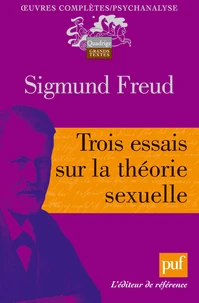
Né le 6 mai 1856 en Autriche et mort le 23 septembre 1939 à Londres, nous connaissons Sigmund Freud pour ses nombreux travaux sur la psychanalyse. Après un diplôme de médecine en 1881, il porte un grand intérêt à la neurologie. En 1885, il étudie à Paris en compagnie du professeur Jean-Martin Charcot, célèbre neurologue français. Intrigué par l'hystérie, son premier cas, à son retour à Vienne, est celui d'une jeune femme : Annah O. C'est cette patiente qui donnera à Freud l'occasion de découvrir les bases de sa pensée : la sexualité et le refoulement. En 1897, il débute ses travaux sur les rêves, le fantasme et le célèbre complexe d'œdipe. En 1920, il met à jour les trois instances de l'appareil psychique : le ça, le moi et le surmoi caractérisant chaque individu. Opposé à la pensée de Carl Gustav Jung, il forme des disciples tout au long de sa vie. Encore aujourd'hui, ses œuvres dont Le Malaise dans la civilisation et Introduction à la psychanalyse sont caractérisées comme des ouvrages fondateurs de la discipline psychanalytique. Apprenez-en plus sur ce sujet passionnant et plongez dans les tréfonds de nos âmes. Parmi les auteurs contemporains fascinés par la psychologie humaine ou s'inspirant de la pensée freudienne, nous vous conseillons Boris Cyrulnik avec Sauve-toi, la vie t'appelle ou Michel Onfray et Traité d'athéologie - Physique de la métaphysique. Disponible en plusieurs formats, profitez de notre garantie satisfait ou remboursé pour vous précipiter dans ces lectures captivantes.
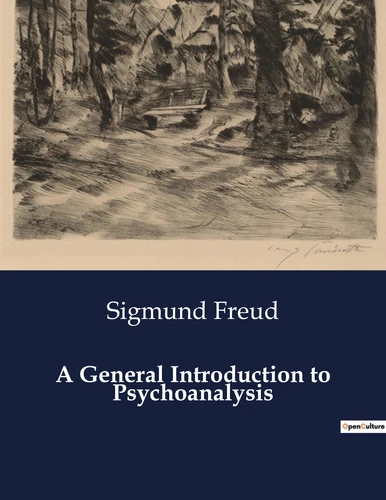
A General Introduction to Psychoanalysis. Exploring the Unconscious: Insights from Everyday Errors
Par :Formats :
- Nombre de pages394
- PrésentationBroché
- Poids0.685 kg
- Dimensions17,0 cm × 22,0 cm × 2,7 cm
- ISBN979-10-419-8561-6
- EAN9791041985616
- Date de parution13/02/2024
- ÉditeurCulturea
Résumé
In "A General Introduction to Psychoanalysis, " Sigmund Freud delves into the intricacies of psychoanalysis, focusing on the significance of seemingly trivial errors in everyday life. Freud begins by addressing the skepticism surrounding psychoanalysis, emphasizing that these minor errors, such as slips of the tongue and forgetfulness, can reveal deeper unconscious processes. He argues that these errors are not mere accidents but are meaningful acts that provide insight into the unconscious mind.
Freud challenges the conventional understanding of the psyche by asserting that unconscious processes play an intermediary role in shaping behavior and thoughts. He highlights the resistance to psychoanalysis due to its controversial claims, particularly regarding the influence of sexual instincts on mental health and cultural achievements. Freud's lectures aim to bridge the gap between psychiatry and psychology by offering a psychological foundation for understanding mental disorders.
He emphasizes the importance of self-analysis and the study of one's own psyche to grasp the principles of psychoanalysis. Through examples from literature and everyday life, Freud illustrates how errors can be interpreted to uncover hidden motives and desires. He also discusses the challenges of teaching psychoanalysis, as it relies heavily on subjective experiences and cannot be easily demonstrated like other scientific phenomena.
Ultimately, Freud's work seeks to expand the understanding of the human mind by exploring the unconscious, challenging existing prejudices, and offering a new perspective on the relationship between the conscious and unconscious realms.
Freud challenges the conventional understanding of the psyche by asserting that unconscious processes play an intermediary role in shaping behavior and thoughts. He highlights the resistance to psychoanalysis due to its controversial claims, particularly regarding the influence of sexual instincts on mental health and cultural achievements. Freud's lectures aim to bridge the gap between psychiatry and psychology by offering a psychological foundation for understanding mental disorders.
He emphasizes the importance of self-analysis and the study of one's own psyche to grasp the principles of psychoanalysis. Through examples from literature and everyday life, Freud illustrates how errors can be interpreted to uncover hidden motives and desires. He also discusses the challenges of teaching psychoanalysis, as it relies heavily on subjective experiences and cannot be easily demonstrated like other scientific phenomena.
Ultimately, Freud's work seeks to expand the understanding of the human mind by exploring the unconscious, challenging existing prejudices, and offering a new perspective on the relationship between the conscious and unconscious realms.
A propos de Sigmund Freud



3,87 €

3.3/5
3,87 €

4,62 €
3,87 €

3,87 €