
Nouveauté
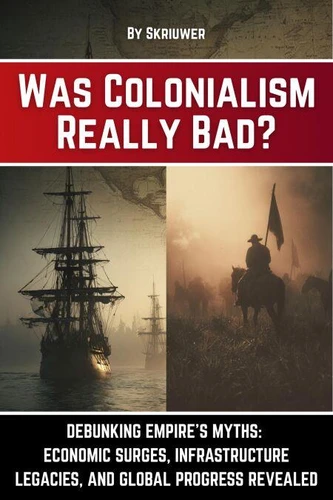
Was Colonialism Really Bad?
Par :Formats :
Disponible dans votre compte client Decitre ou Furet du Nord dès validation de votre commande. Le format ePub est :
- Compatible avec une lecture sur My Vivlio (smartphone, tablette, ordinateur)
- Compatible avec une lecture sur liseuses Vivlio
- Pour les liseuses autres que Vivlio, vous devez utiliser le logiciel Adobe Digital Edition. Non compatible avec la lecture sur les liseuses Kindle, Remarkable et Sony
 , qui est-ce ?
Notre partenaire de plateforme de lecture numérique où vous retrouverez l'ensemble de vos ebooks gratuitement
Pour en savoir plus sur nos ebooks, consultez notre aide en ligne ici
C'est si simple ! Lisez votre ebook avec l'app Vivlio sur votre tablette, mobile ou ordinateur :

- FormatePub
- ISBN8235702448
- EAN9798235702448
- Date de parution10/07/2026
- Protection num.pas de protection
- Infos supplémentairesepub
- ÉditeurIoakim Ioakim
Résumé
WHAT IF EVERYTHING YOU LEARNED ABOUT EMPIRE WAS ONLY HALF THE STORY?For decades, the verdict on colonialism has been settled in a single word: catastrophe. Schools teach it, headlines repeat it, and few dare to question it. History is rarely that simple, and the full record is far more uncomfortable than either side wants to admit. This book steps into the territory most writers avoid. It examines the railways, ports, legal systems, universities, and hospitals that outlasted the empires that built them.
It looks at the economic data, the trade networks, and the measurable shifts in life expectancy and literacy that followed. It does all of this without flinching from the brutality, the famines, the exploitation, and the lives destroyed along the way. Inside, you will find: The infrastructure and institutions that survived independence, and what happened to them afterward The economic arguments historians make on both sides, laid out in plain language Case studies from across Africa, Asia, and the Americas, compared side by side The uncomfortable numbers that neither nostalgia nor outrage can fully explain Why the debate still shapes politics, reparations, and identity today This is not a defense of empire, and it is not an apology for its crimes.
It is an honest reckoning with a question too important to leave to slogans. The truth about colonialism is contested, contradictory, and far more interesting than the version you were handed. Read it, and decide for yourself.
It looks at the economic data, the trade networks, and the measurable shifts in life expectancy and literacy that followed. It does all of this without flinching from the brutality, the famines, the exploitation, and the lives destroyed along the way. Inside, you will find: The infrastructure and institutions that survived independence, and what happened to them afterward The economic arguments historians make on both sides, laid out in plain language Case studies from across Africa, Asia, and the Americas, compared side by side The uncomfortable numbers that neither nostalgia nor outrage can fully explain Why the debate still shapes politics, reparations, and identity today This is not a defense of empire, and it is not an apology for its crimes.
It is an honest reckoning with a question too important to leave to slogans. The truth about colonialism is contested, contradictory, and far more interesting than the version you were handed. Read it, and decide for yourself.
A propos de Skriuwer





6,49 €


6,49 €