In the vast and enigmatic expanse of human knowledge, there exists a concept so profound and elusive that it has fascinated and perplexed scholars, mystics, and seekers of truth across the ages. This concept, often shrouded in mystery and abstraction, is the 'Void.' The Void, as it is contemplated in various philosophical, spiritual, and scientific traditions, represents a state of emptiness and potentiality, a realm where the tangible and the intangible intersect in a dance of infinite possibilities.
It is within this silent abyss that the seeds of creation and dissolution are sown, offering a canvas upon which the universe continuously paints its masterpiece. The notion of the Void is not confined to any single discipline or cultural framework. It is a universal theme that resonates through the annals of human thought, from the ancient Vedic texts of India to the quantum theories of modern physics.
In the Eastern philosophies, the Void is often associated with the concept of 'Sunyata' in Buddhism, a state of emptiness that transcends form and substance. In Taoism, it is akin to the 'Wu, ' the unmanifested aspect of reality that underlies all phenomena. Meanwhile, in Western thought, the Void can be glimpsed in the philosophical musings of the Pre-Socratics, who pondered the nature of the 'Apeiron, ' the boundless and indefinite.
This book endeavors to explore the multifaceted dimensions of the Void, drawing from a rich tapestry of traditions and disciplines. It seeks to illuminate the profound implications of the Void for our understanding of existence, consciousness, and the very fabric of reality. Through a synthesis of ancient wisdom and contemporary insights, we will embark on a journey that traverses the metaphysical landscapes of the Void, delving into its esoteric mysteries and scientific underpinnings.
One of the central themes of our exploration is the relationship between the Void and creation. In many cosmological narratives, the Void is depicted as the primordial womb from which all things emerge. It is the fertile ground of potentiality, the blank slate upon which the cosmos inscribes its laws and patterns. This paradoxical nature of the Void-as both nothingness and the source of everything-invites us to reconsider our conventional notions of existence and non-existence.
It challenges us to see beyond the dualities that frame our perceptions and to embrace a more holistic and integrative vision of reality. In the realm of spiritual practice, the Void is often encountered as a state of profound stillness and inner silence. It is the space within which the mind finds repose, free from the incessant chatter of thoughts and desires. This inner Void, or emptiness, is not a void of lack but a void of fullness-a state of pure awareness that transcends the limitations of the ego and the transient nature of worldly experiences.
Through meditation and contemplation, practitioners seek to enter this sacred space, where the boundaries of self-dissolve and a deeper connection with the universal consciousness is realized. From a scientific perspective, the Void holds equally intriguing possibilities. In the field of quantum physics, the concept of the vacuum state-a seemingly empty space teeming with virtual particles and fluctuations-mirrors the ancient notion of the Void as a dynamic and generative force.
The enigmatic properties of the quantum vacuum suggest that what we perceive as emptiness is, in fact, a seething cauldron of energy and potential. This challenges the classical view of the Void as mere absence and invites us to explore the hidden dimensions of reality that lie beyond our sensory perception.
In the vast and enigmatic expanse of human knowledge, there exists a concept so profound and elusive that it has fascinated and perplexed scholars, mystics, and seekers of truth across the ages. This concept, often shrouded in mystery and abstraction, is the 'Void.' The Void, as it is contemplated in various philosophical, spiritual, and scientific traditions, represents a state of emptiness and potentiality, a realm where the tangible and the intangible intersect in a dance of infinite possibilities.
It is within this silent abyss that the seeds of creation and dissolution are sown, offering a canvas upon which the universe continuously paints its masterpiece. The notion of the Void is not confined to any single discipline or cultural framework. It is a universal theme that resonates through the annals of human thought, from the ancient Vedic texts of India to the quantum theories of modern physics.
In the Eastern philosophies, the Void is often associated with the concept of 'Sunyata' in Buddhism, a state of emptiness that transcends form and substance. In Taoism, it is akin to the 'Wu, ' the unmanifested aspect of reality that underlies all phenomena. Meanwhile, in Western thought, the Void can be glimpsed in the philosophical musings of the Pre-Socratics, who pondered the nature of the 'Apeiron, ' the boundless and indefinite.
This book endeavors to explore the multifaceted dimensions of the Void, drawing from a rich tapestry of traditions and disciplines. It seeks to illuminate the profound implications of the Void for our understanding of existence, consciousness, and the very fabric of reality. Through a synthesis of ancient wisdom and contemporary insights, we will embark on a journey that traverses the metaphysical landscapes of the Void, delving into its esoteric mysteries and scientific underpinnings.
One of the central themes of our exploration is the relationship between the Void and creation. In many cosmological narratives, the Void is depicted as the primordial womb from which all things emerge. It is the fertile ground of potentiality, the blank slate upon which the cosmos inscribes its laws and patterns. This paradoxical nature of the Void-as both nothingness and the source of everything-invites us to reconsider our conventional notions of existence and non-existence.
It challenges us to see beyond the dualities that frame our perceptions and to embrace a more holistic and integrative vision of reality. In the realm of spiritual practice, the Void is often encountered as a state of profound stillness and inner silence. It is the space within which the mind finds repose, free from the incessant chatter of thoughts and desires. This inner Void, or emptiness, is not a void of lack but a void of fullness-a state of pure awareness that transcends the limitations of the ego and the transient nature of worldly experiences.
Through meditation and contemplation, practitioners seek to enter this sacred space, where the boundaries of self-dissolve and a deeper connection with the universal consciousness is realized. From a scientific perspective, the Void holds equally intriguing possibilities. In the field of quantum physics, the concept of the vacuum state-a seemingly empty space teeming with virtual particles and fluctuations-mirrors the ancient notion of the Void as a dynamic and generative force.
The enigmatic properties of the quantum vacuum suggest that what we perceive as emptiness is, in fact, a seething cauldron of energy and potential. This challenges the classical view of the Void as mere absence and invites us to explore the hidden dimensions of reality that lie beyond our sensory perception.

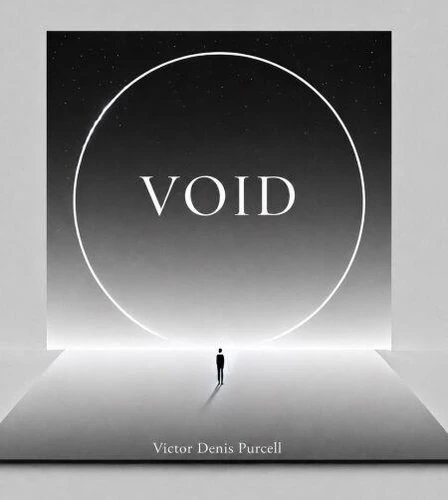
 , qui est-ce ?