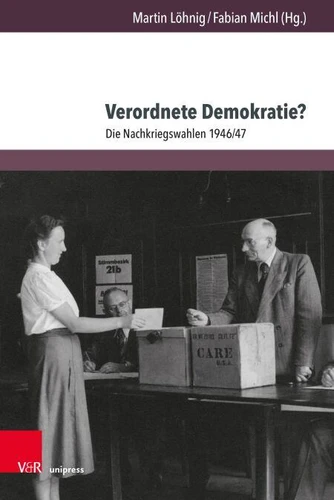
Die von den Besatzungsmächten angeordneten Kommunal- und Landtagswahlen der Jahre 1946/47 waren ein bedeutender Schritt auf dem Weg zum demokratischen Wiederaufbau Deutschlands nach dem Ende des NS-Regimes. Der Band betrachtet die Nachkriegswahlen aus allgemein- und verfassungsgeschichtlichen Perspektiven. Die Leitfrage lautet: Welchen Einfluss nahmen die Besatzungsmächte auf Vorbereitung und Durchführung der Nachkriegswahlen und wie groß war umgekehrt der Gestaltungsanteil deutscher Parteien, Regierungen und Parlamente? Die Beiträge dokumentieren zugleich die Erfahrungen mit den in der Nachkriegszeit erprobten Wahlsystemen, an die der Wahlrechtsdiskurs der Gegenwart anknüpfen kann.
In 1946/47, the Allied Occupying Powers ordered German authorities to hold local and state elections.
These post-war elections were an important step towards the democratic reconstruction of Germany after twelf years of Nazi rule. The volume analyses the elections from the perspectives of general and constitutional history. The central question is this: How did the Allies influence the post-war elections in their respective occupation zones and to what extent did the Germans have a say in their own democratisation? In addition, the volume documents the experiences with the electoral systems of the post-war period, which are of particular interest in today's debates about an electoral reform in Germany.
Die von den Besatzungsmächten angeordneten Kommunal- und Landtagswahlen der Jahre 1946/47 waren ein bedeutender Schritt auf dem Weg zum demokratischen Wiederaufbau Deutschlands nach dem Ende des NS-Regimes. Der Band betrachtet die Nachkriegswahlen aus allgemein- und verfassungsgeschichtlichen Perspektiven. Die Leitfrage lautet: Welchen Einfluss nahmen die Besatzungsmächte auf Vorbereitung und Durchführung der Nachkriegswahlen und wie groß war umgekehrt der Gestaltungsanteil deutscher Parteien, Regierungen und Parlamente? Die Beiträge dokumentieren zugleich die Erfahrungen mit den in der Nachkriegszeit erprobten Wahlsystemen, an die der Wahlrechtsdiskurs der Gegenwart anknüpfen kann.
In 1946/47, the Allied Occupying Powers ordered German authorities to hold local and state elections.
These post-war elections were an important step towards the democratic reconstruction of Germany after twelf years of Nazi rule. The volume analyses the elections from the perspectives of general and constitutional history. The central question is this: How did the Allies influence the post-war elections in their respective occupation zones and to what extent did the Germans have a say in their own democratisation? In addition, the volume documents the experiences with the electoral systems of the post-war period, which are of particular interest in today's debates about an electoral reform in Germany.

 , qui est-ce ?