First published in 1846, Typee is Herman Melville's captivating debut novel, inspired by his real-life experiences in the South Pacific and celebrated for its vivid storytelling and rich cultural observation.
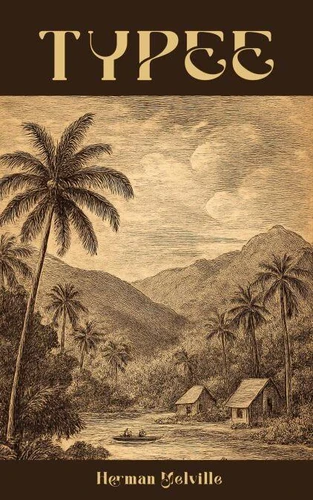
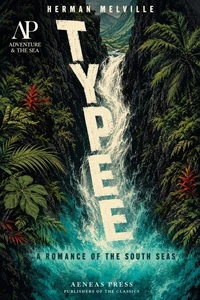
The narrative follows a young American sailor who deserts a whaling ship and finds refuge among the Typee people, an indigenous tribe living in the lush Marquesas Islands. At first, the valley appears to be an earthly paradise-abundant in beauty, leisure, and hospitality.
Yet beneath its serenity lies an atmosphere of uncertainty and danger, as the narrator grapples with cultural misunderstanding, fear, and the persistent rumors of cannibalism.
Blending travel memoir with romantic adventure, Typee offers both an enchanting portrayal of island life and a sharp critique of Western colonialism and missionary influence. Melville contrasts the natural harmony of the Typee society with the hypocrisy and brutality often brought by so-called civilization, raising enduring questions about freedom, morality, and cultural superiority.
Lyrical, provocative, and deeply humane, Typee launched Melville's literary career and remains one of his most accessible and popular works-a timeless exploration of paradise, perception, and the clash between cultures.
First published in 1846, Typee is Herman Melville's captivating debut novel, inspired by his real-life experiences in the South Pacific and celebrated for its vivid storytelling and rich cultural observation.
The narrative follows a young American sailor who deserts a whaling ship and finds refuge among the Typee people, an indigenous tribe living in the lush Marquesas Islands. At first, the valley appears to be an earthly paradise-abundant in beauty, leisure, and hospitality.
Yet beneath its serenity lies an atmosphere of uncertainty and danger, as the narrator grapples with cultural misunderstanding, fear, and the persistent rumors of cannibalism.
Blending travel memoir with romantic adventure, Typee offers both an enchanting portrayal of island life and a sharp critique of Western colonialism and missionary influence. Melville contrasts the natural harmony of the Typee society with the hypocrisy and brutality often brought by so-called civilization, raising enduring questions about freedom, morality, and cultural superiority.
Lyrical, provocative, and deeply humane, Typee launched Melville's literary career and remains one of his most accessible and popular works-a timeless exploration of paradise, perception, and the clash between cultures.

 , qui est-ce ?