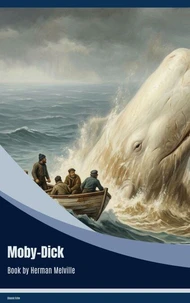
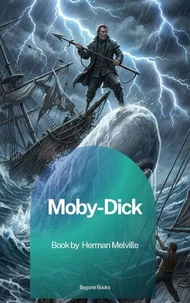
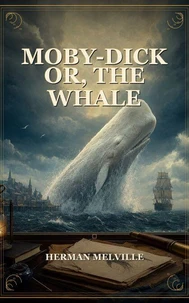
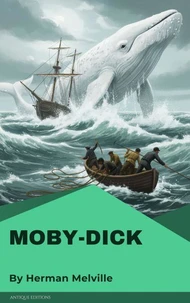
Captain Ahab lost his leg to a white whale. He is willing to lose everything else to kill it.
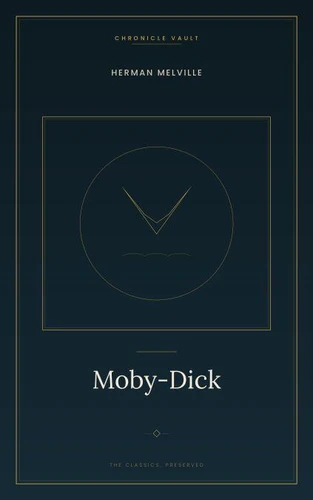
Sailing aboard the whaling ship Pequod, young Ishmael is swept into Captain Ahab's all-consuming quest for revenge against Moby Dick, the great white whale that maimed him. As the voyage carries the crew across the world's oceans, Melville weaves a sprawling, restless novel about obsession, fate, and the terrifying indifference of nature - building toward one of literature's most devastating final confrontations.
Moby-Dick is the Great American Novel in its rawest form: a whaling adventure, a philosophical epic, and a portrait of a man who mistook vengeance for purpose - until it consumed him entirely.
- Widely regarded as the greatest American novel ever written
- An epic of obsession that inspired a century of literature after it
- One of fiction's most famous opening lines: "Call me Ishmael"
He chased the whale to the end of the earth.
The whale was waiting.
Captain Ahab lost his leg to a white whale. He is willing to lose everything else to kill it.
Sailing aboard the whaling ship Pequod, young Ishmael is swept into Captain Ahab's all-consuming quest for revenge against Moby Dick, the great white whale that maimed him. As the voyage carries the crew across the world's oceans, Melville weaves a sprawling, restless novel about obsession, fate, and the terrifying indifference of nature - building toward one of literature's most devastating final confrontations.
Moby-Dick is the Great American Novel in its rawest form: a whaling adventure, a philosophical epic, and a portrait of a man who mistook vengeance for purpose - until it consumed him entirely.
- Widely regarded as the greatest American novel ever written
- An epic of obsession that inspired a century of literature after it
- One of fiction's most famous opening lines: "Call me Ishmael"
He chased the whale to the end of the earth.
The whale was waiting.

 , qui est-ce ?