Nouveauté
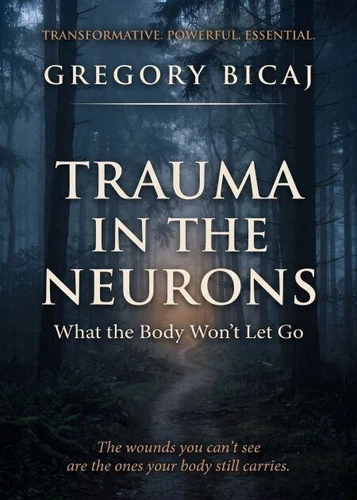
Trauma in the Neurons. What the Body Won't Let Go
Par :Formats :
Disponible dans votre compte client Decitre ou Furet du Nord dès validation de votre commande. Le format ePub est :
- Compatible avec une lecture sur My Vivlio (smartphone, tablette, ordinateur)
- Compatible avec une lecture sur liseuses Vivlio
- Pour les liseuses autres que Vivlio, vous devez utiliser le logiciel Adobe Digital Edition. Non compatible avec la lecture sur les liseuses Kindle, Remarkable et Sony
 , qui est-ce ?
Notre partenaire de plateforme de lecture numérique où vous retrouverez l'ensemble de vos ebooks gratuitement
Pour en savoir plus sur nos ebooks, consultez notre aide en ligne ici
C'est si simple ! Lisez votre ebook avec l'app Vivlio sur votre tablette, mobile ou ordinateur :

- Nombre de pages257
- FormatePub
- ISBN8905807251
- EAN9798905807251
- Date de parution31/07/2026
- Protection num.pas de protection
- Taille1 Mo
- Infos supplémentairesepub
- ÉditeurADMX Publishing
Résumé
What if the anxiety, insomnia, or chronic pain you can't explain isn't a character flaw - but your nervous system still trying to keep you alive?
For too long, trauma has been misunderstood as a dramatic event locked in the past. In Trauma in the Neurons, neuroscientist and clinical psychologist Gregory Bicaj reveals a more profound truth: trauma is not what happened to you, but the lasting reorganization it left inside your brain and body when safety never returned.
Drawing on decades of laboratory research and clinical practice, this book bridges cutting-edge neuroscience with real human stories to explain why the body remembers what the mind cannot say - and, crucially, how it can learn to feel safe again.
Inside, you'll discover: Why your symptoms are actually survival adaptations, not defects or weaknesses.
How trauma is stored in muscles, breath, and memory even without conscious recall. Why psychiatry so often misses the point - and what a trauma-informed lens reveals. How early childhood wounds shape the adult brain and nervous system. The science behind EMDR, somatic therapy, neurofeedback, and psychedelic-assisted treatment. Why felt safety, connection, and community are the true foundations of all healing. You are not broken.
You are organized around survival - and understanding that is the first step toward taking back control.
How trauma is stored in muscles, breath, and memory even without conscious recall. Why psychiatry so often misses the point - and what a trauma-informed lens reveals. How early childhood wounds shape the adult brain and nervous system. The science behind EMDR, somatic therapy, neurofeedback, and psychedelic-assisted treatment. Why felt safety, connection, and community are the true foundations of all healing. You are not broken.
You are organized around survival - and understanding that is the first step toward taking back control.