SOLDES
Jusqu'à -70% sur une sélection d'articles*

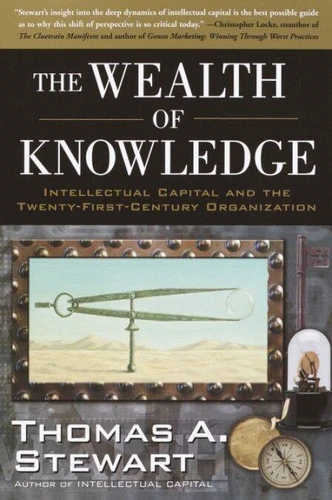
The Wealth of Knowledge. Intellectual Capital and the Twenty-first Century Organization
Par :Formats :
Disponible dans votre compte client Decitre ou Furet du Nord dès validation de votre commande. Le format ePub protégé est :
- Compatible avec une lecture sur My Vivlio (smartphone, tablette, ordinateur)
- Compatible avec une lecture sur liseuses Vivlio
- Pour les liseuses autres que Vivlio, vous devez utiliser le logiciel Adobe Digital Edition. Non compatible avec la lecture sur les liseuses Kindle, Remarkable et Sony
- Non compatible avec un achat hors France métropolitaine
 , qui est-ce ?
Notre partenaire de plateforme de lecture numérique où vous retrouverez l'ensemble de vos ebooks gratuitement
Pour en savoir plus sur nos ebooks, consultez notre aide en ligne ici
C'est si simple ! Lisez votre ebook avec l'app Vivlio sur votre tablette, mobile ou ordinateur :

- Nombre de pages400
- FormatePub
- ISBN978-0-307-42418-1
- EAN9780307424181
- Date de parution18/12/2007
- Protection num.Adobe DRM
- Taille2 Mo
- Infos supplémentairesepub
- ÉditeurCrown Currency
Résumé
In Thomas A. Stewart's bestselling first book, Intellectual Capital, he redefined the priorities of businesses around the world, demonstrating that the most important assets companies own today are often not tangible goods, equipment, financial capital, or market share, but the intangibles: patents, the knowledge of workers, and the information about customers and channels and past experience that a company has in its institutional memory.
Now in his new book, The Wealth of Knowledge, Stewart--widely acknowledged as the world's leading expert on working with intellectual capital in today's knowledge economy--reveals how today's companies are applying the concept of intellectual capital into day-to-day operations to dramatically increase their success in the marketplace. Arguing that companies can make untold millions of dollars by managing knowledge more effectively--and save millions more--Stewart offers executives and managers compelling accounts of how leading companies around the world are successfully tackling the practical issues involved in today's knowledge economy.
The heart of the book is a revolutionary 4-step preocess that shows how to put intellectual capital to work to improve performance and profitablity, as well as manage knowledge processes. He goes on to discuss how companies can better utilize their current assets and enhance their knowledge resources for the future. Questioning many of the assumptions that have ruled business in the twentieth century, he addresses such critical and fundamental issues as why companies exist, how they should be organized and how people should be compensated.
With his customary fearlessness and foresight, he plunges into the thick of the controversial arena of measuring and accounting, as well-an increasingly difficult task when a corporation's assets are intangible. The Wealth of Knowledge not only sets out the latest thinking in creating and managing knowledge assets, but provides a detailed course of action for corporations trying to navigate their way in the world of knowledge economy.
Now in his new book, The Wealth of Knowledge, Stewart--widely acknowledged as the world's leading expert on working with intellectual capital in today's knowledge economy--reveals how today's companies are applying the concept of intellectual capital into day-to-day operations to dramatically increase their success in the marketplace. Arguing that companies can make untold millions of dollars by managing knowledge more effectively--and save millions more--Stewart offers executives and managers compelling accounts of how leading companies around the world are successfully tackling the practical issues involved in today's knowledge economy.
The heart of the book is a revolutionary 4-step preocess that shows how to put intellectual capital to work to improve performance and profitablity, as well as manage knowledge processes. He goes on to discuss how companies can better utilize their current assets and enhance their knowledge resources for the future. Questioning many of the assumptions that have ruled business in the twentieth century, he addresses such critical and fundamental issues as why companies exist, how they should be organized and how people should be compensated.
With his customary fearlessness and foresight, he plunges into the thick of the controversial arena of measuring and accounting, as well-an increasingly difficult task when a corporation's assets are intangible. The Wealth of Knowledge not only sets out the latest thinking in creating and managing knowledge assets, but provides a detailed course of action for corporations trying to navigate their way in the world of knowledge economy.